
Creating the Perfect Acrylic Bead for 3D Nail Art


You May Also Like

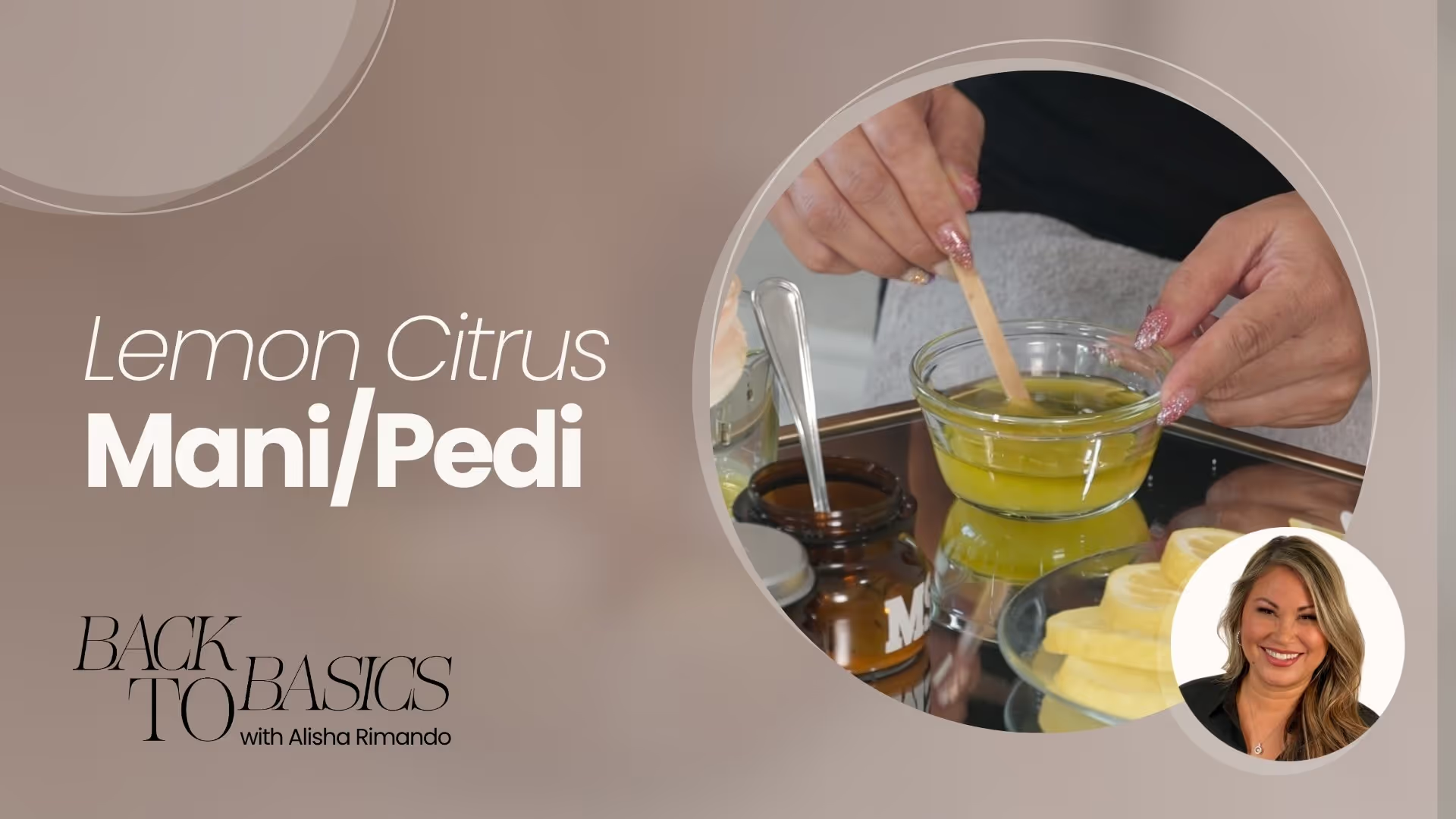
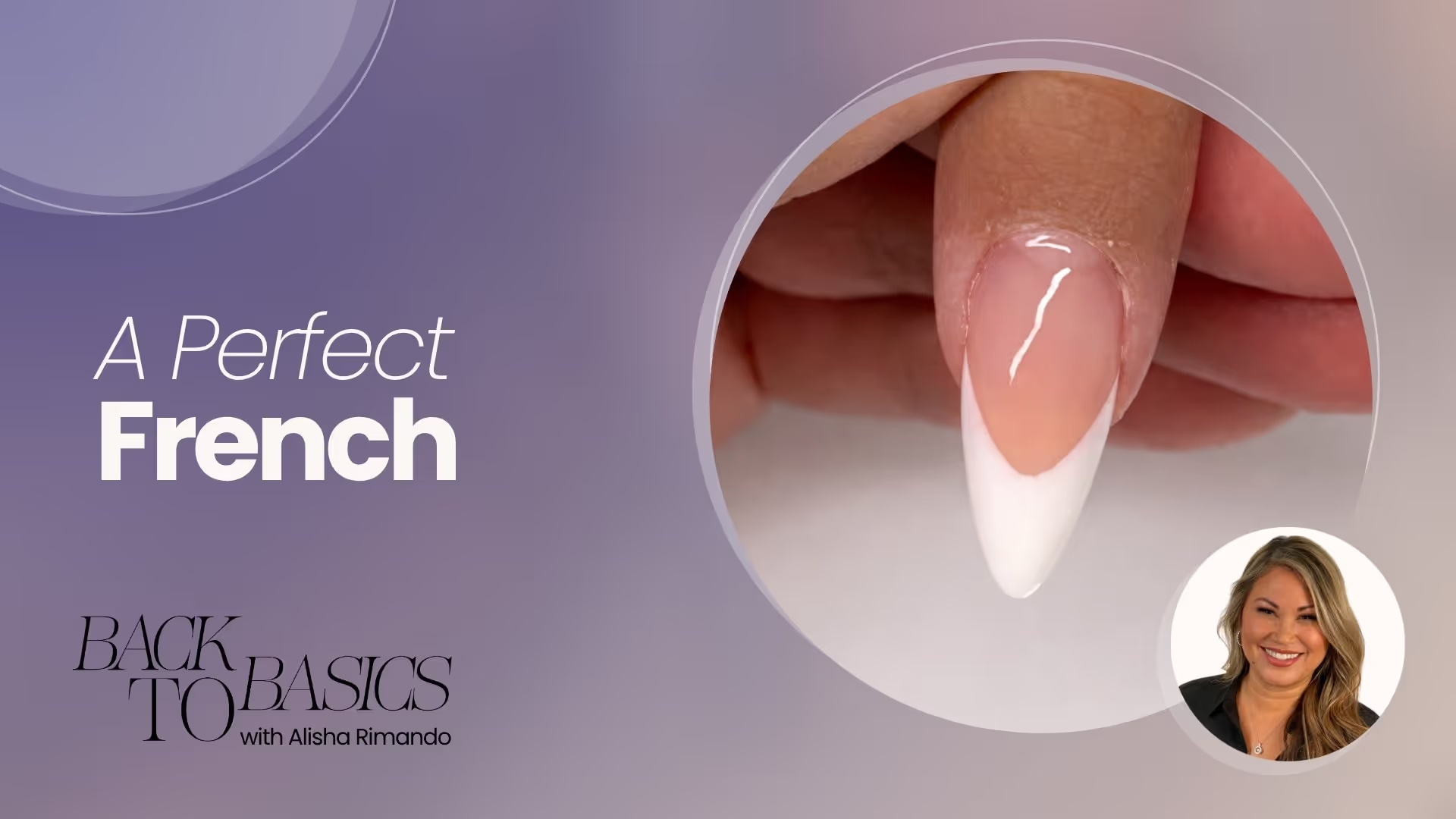
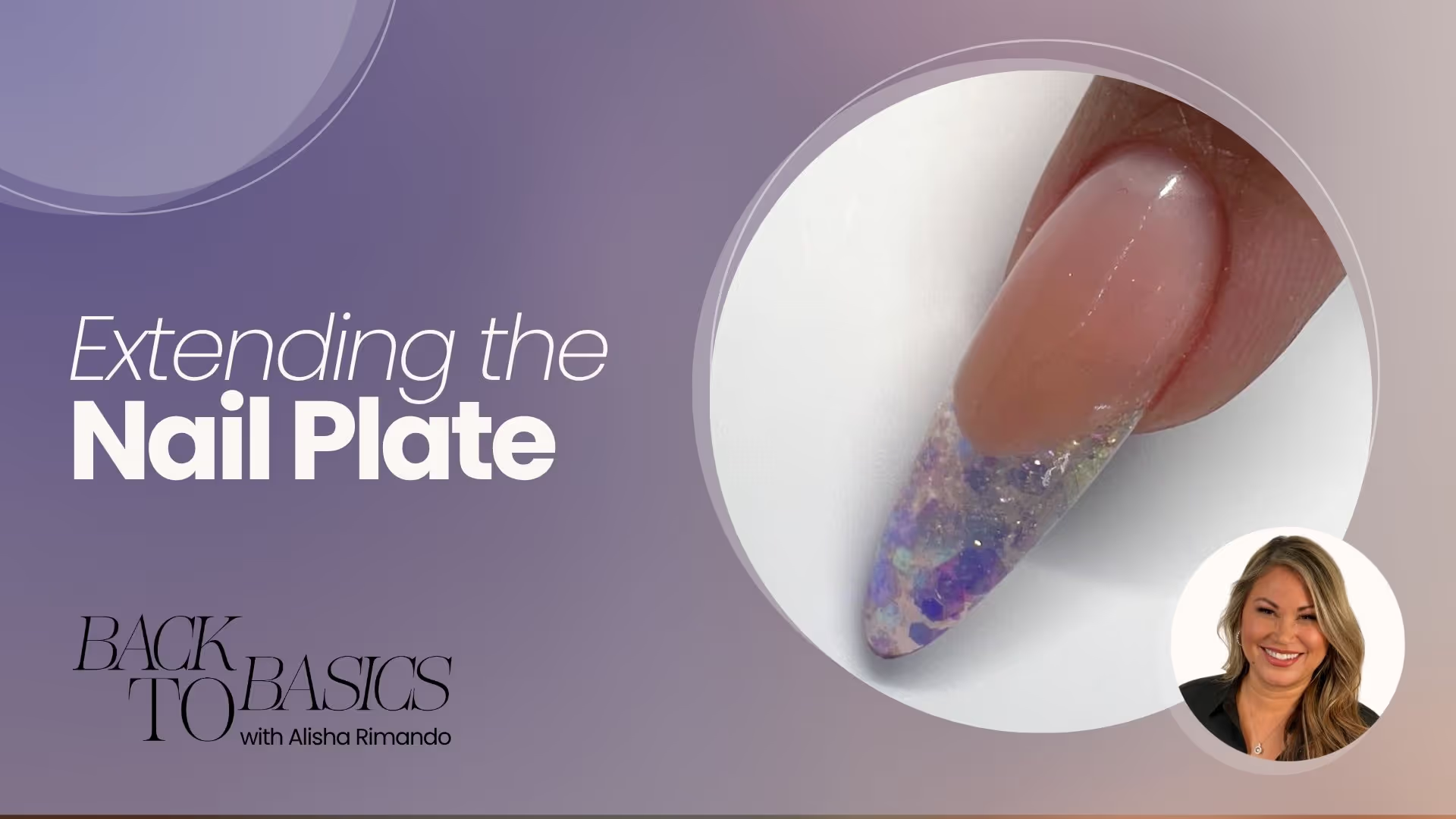
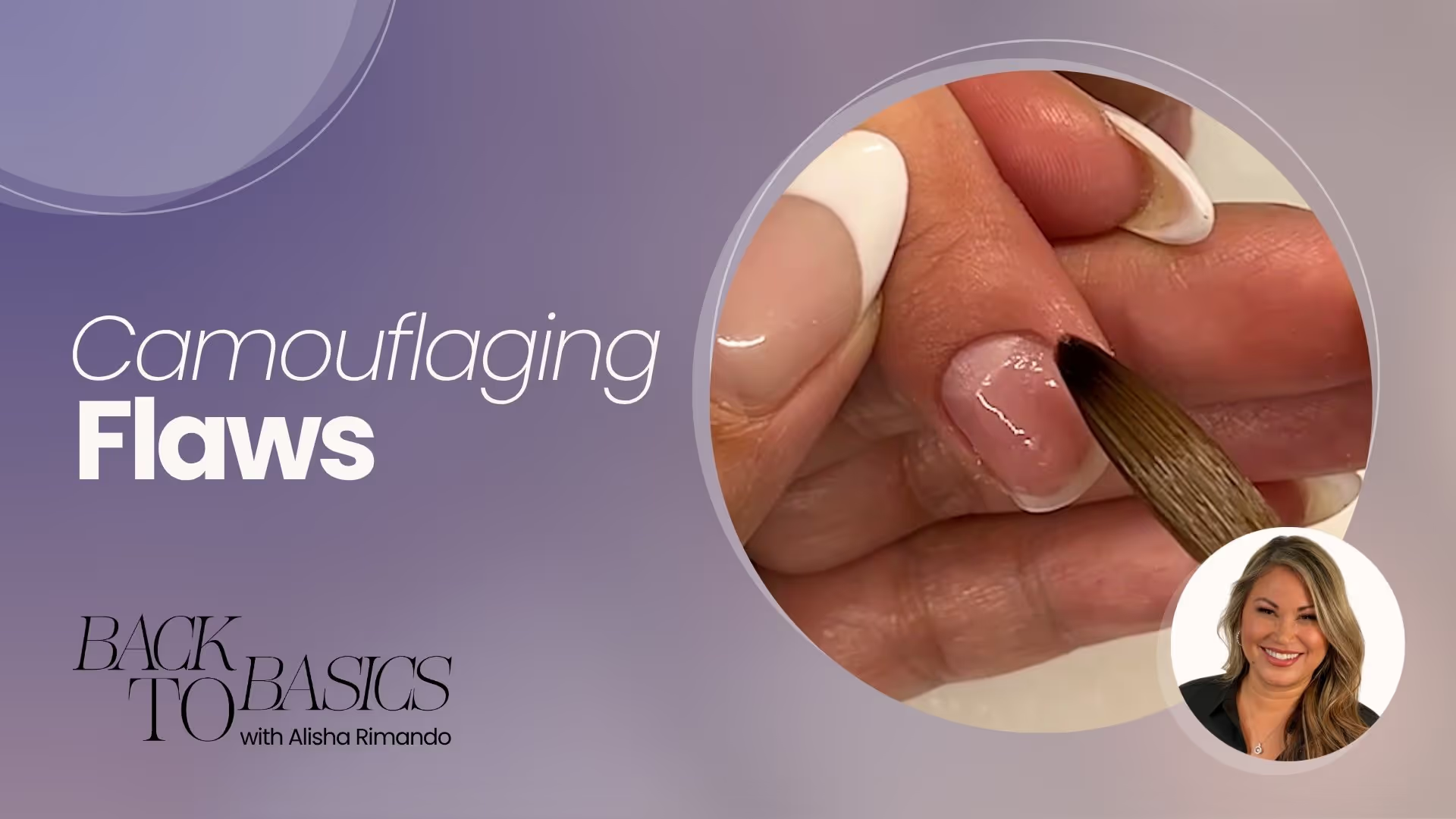


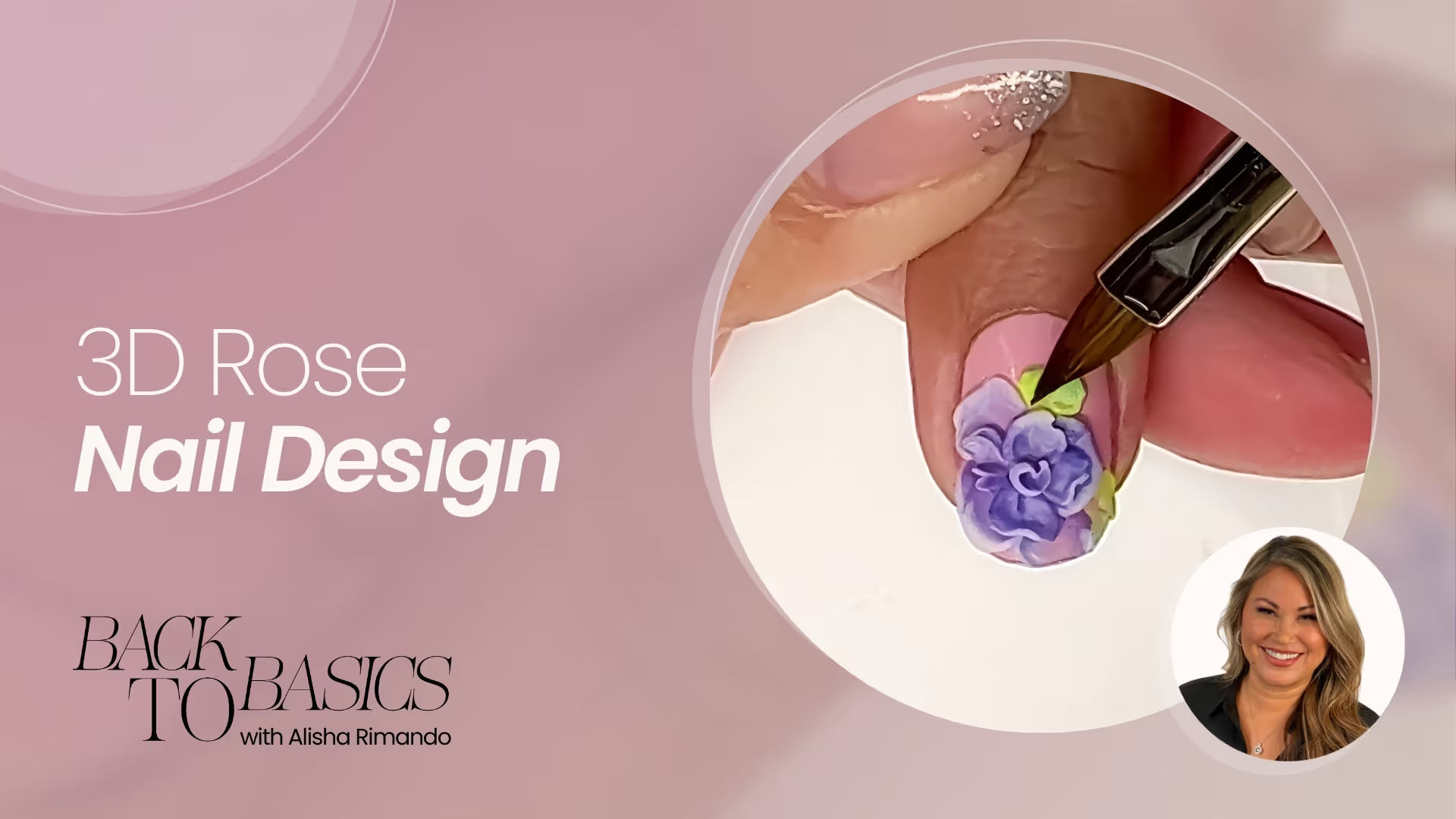
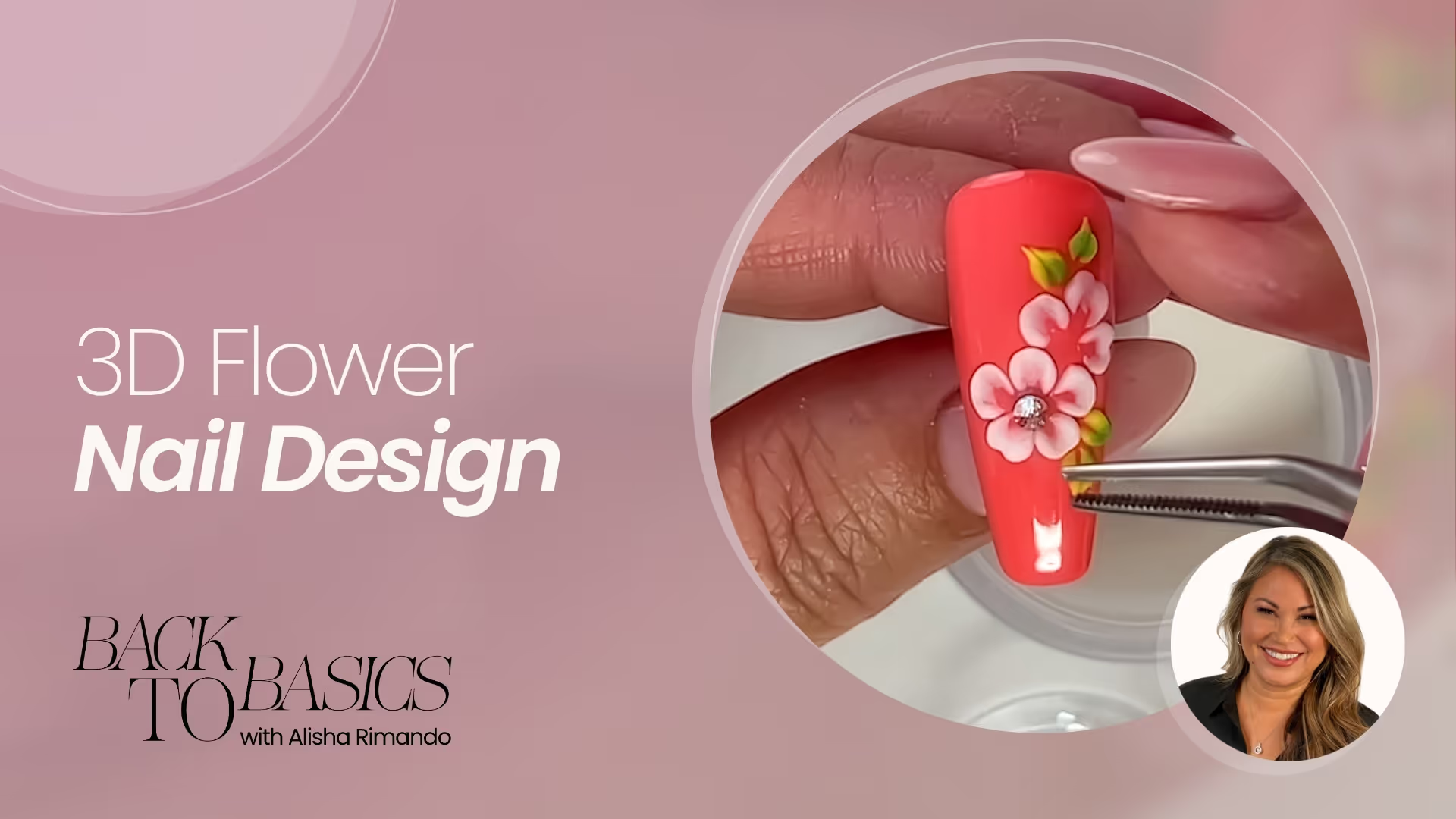
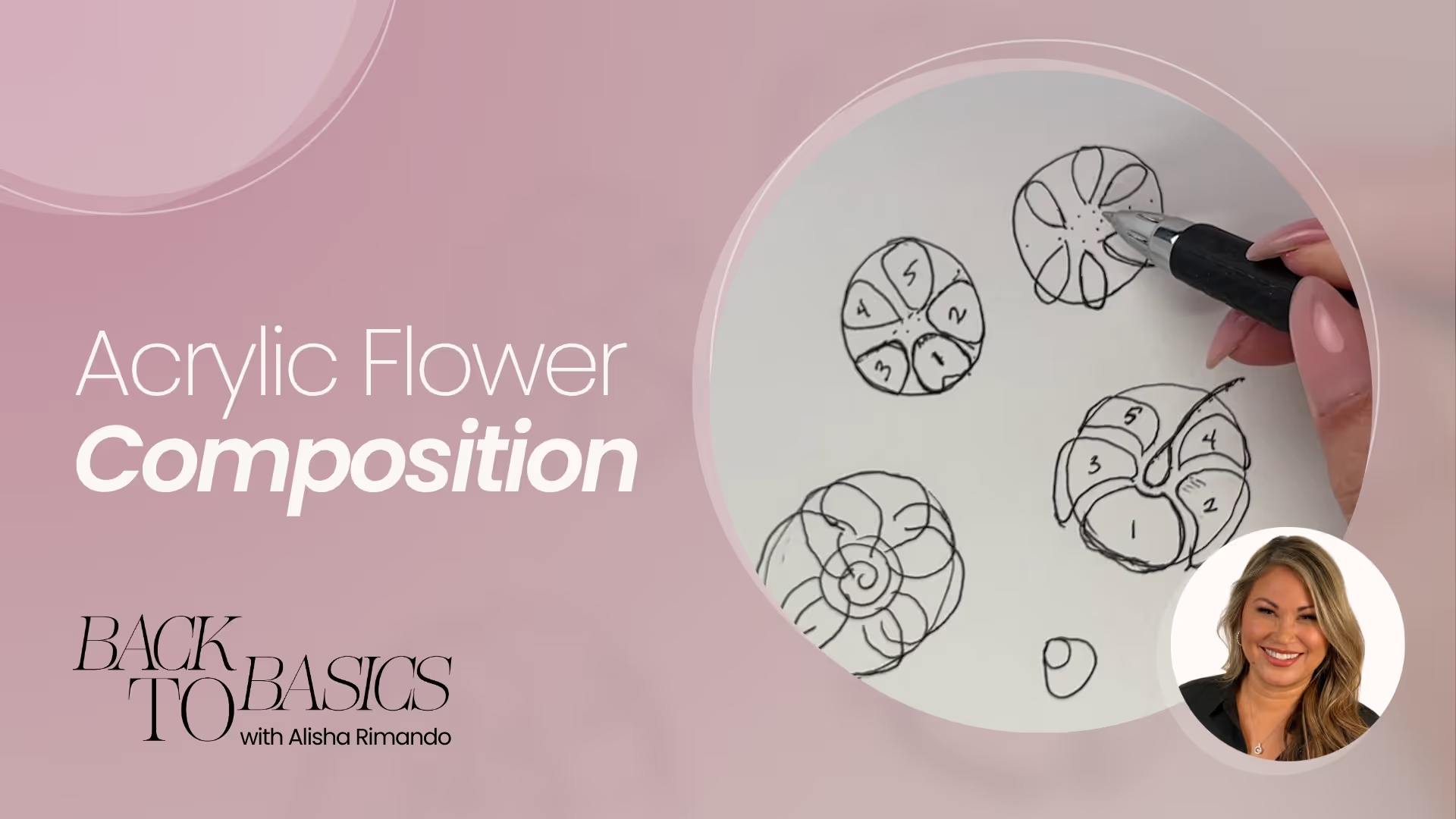
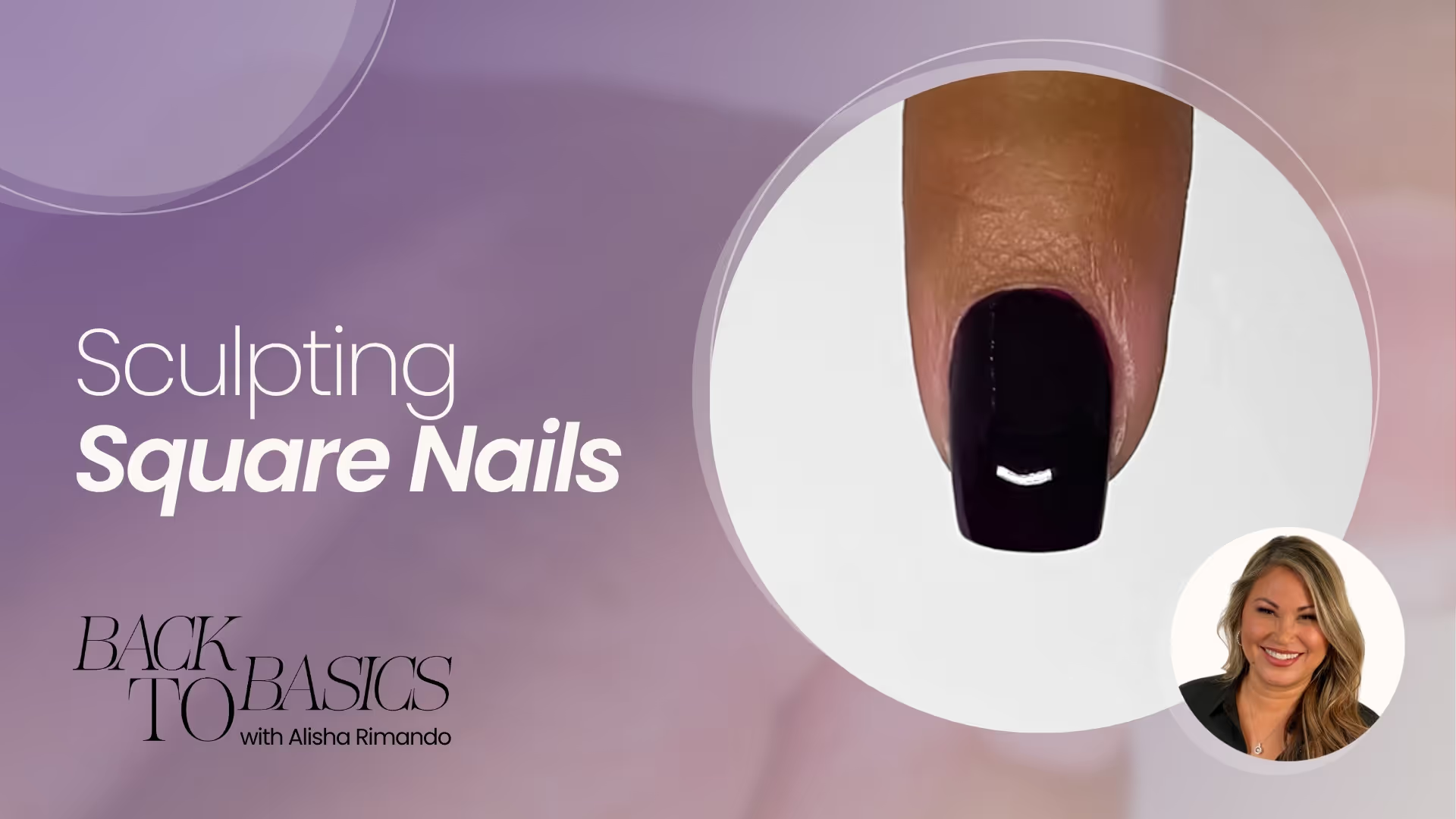
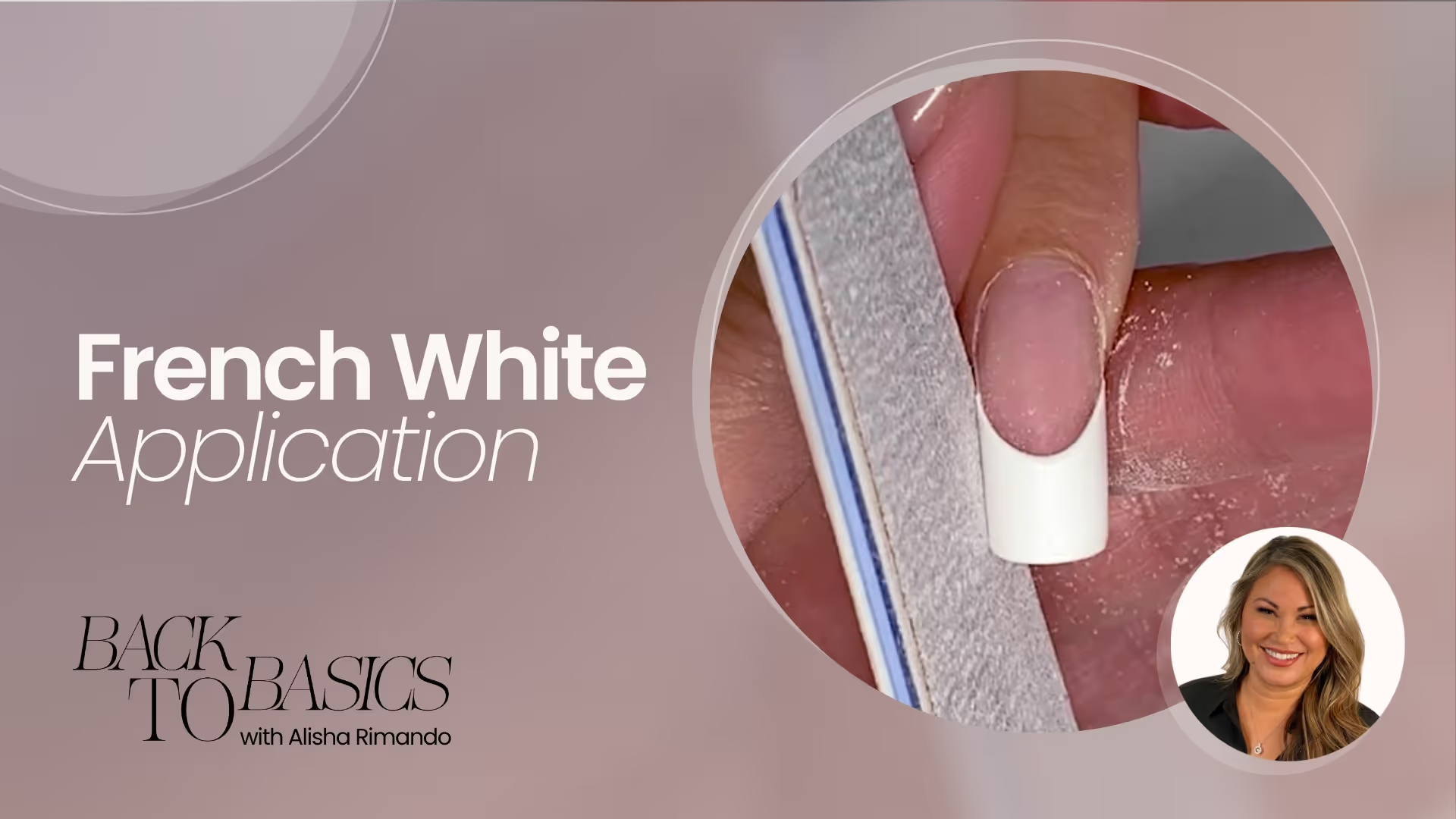
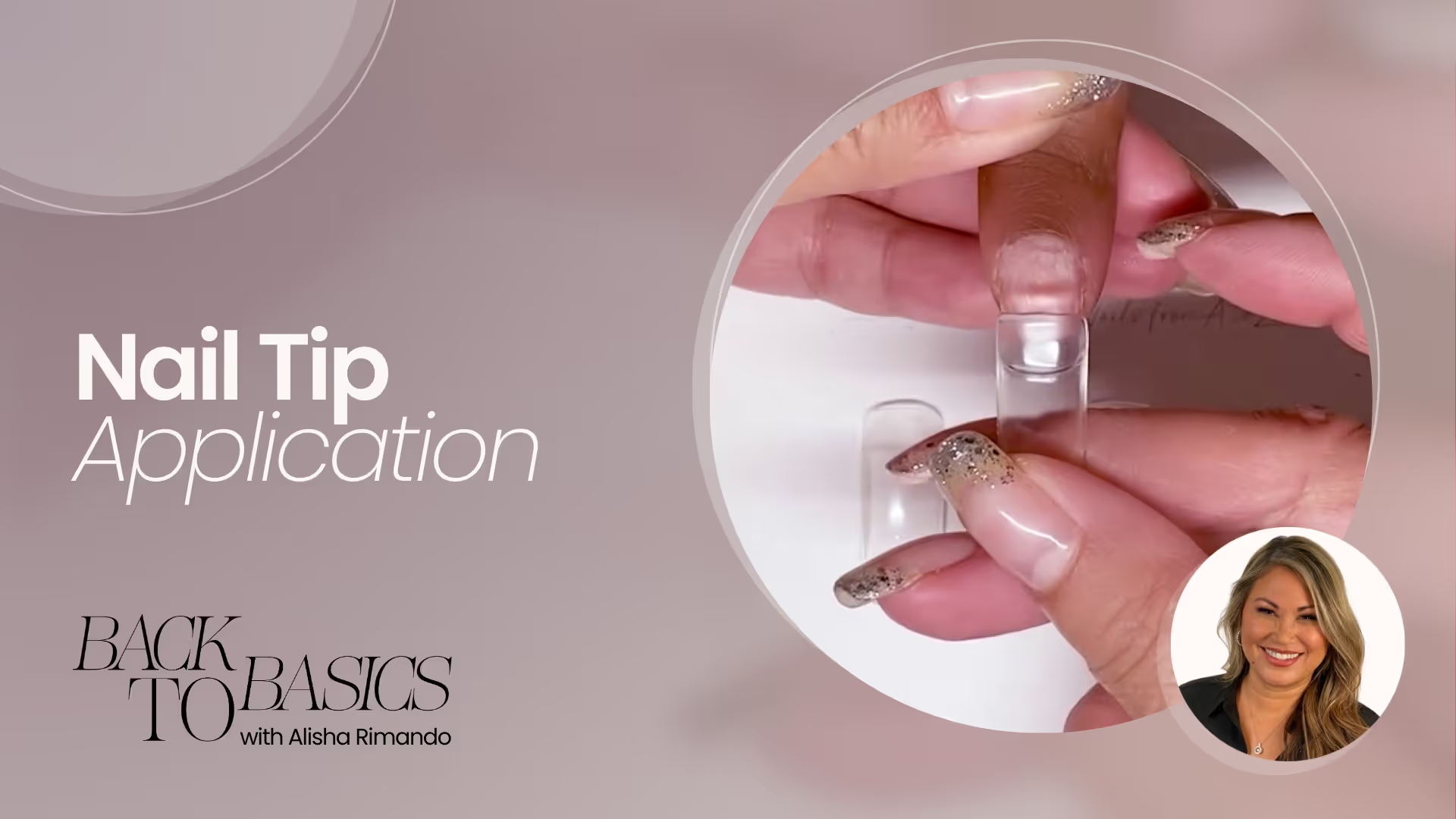
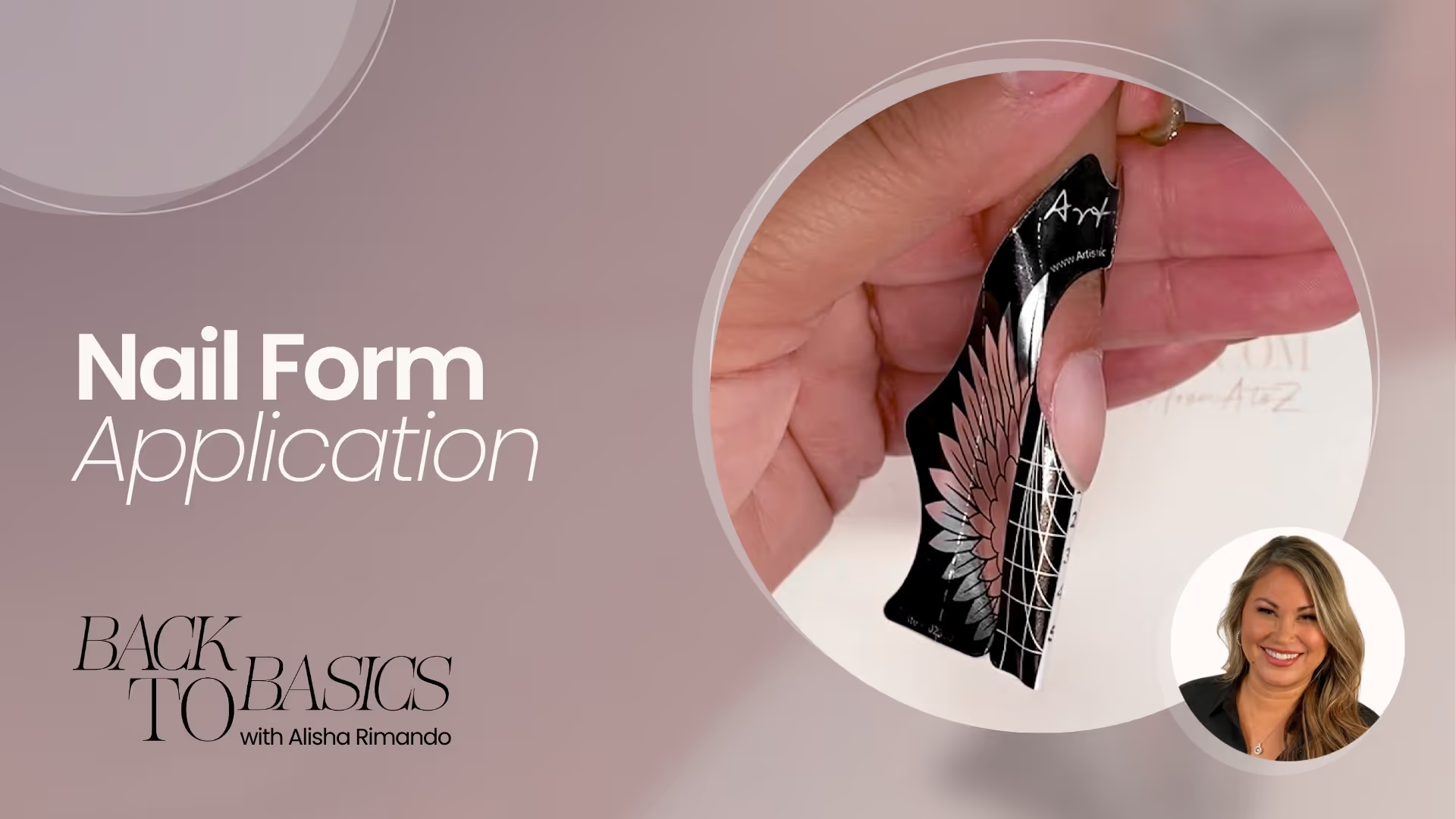
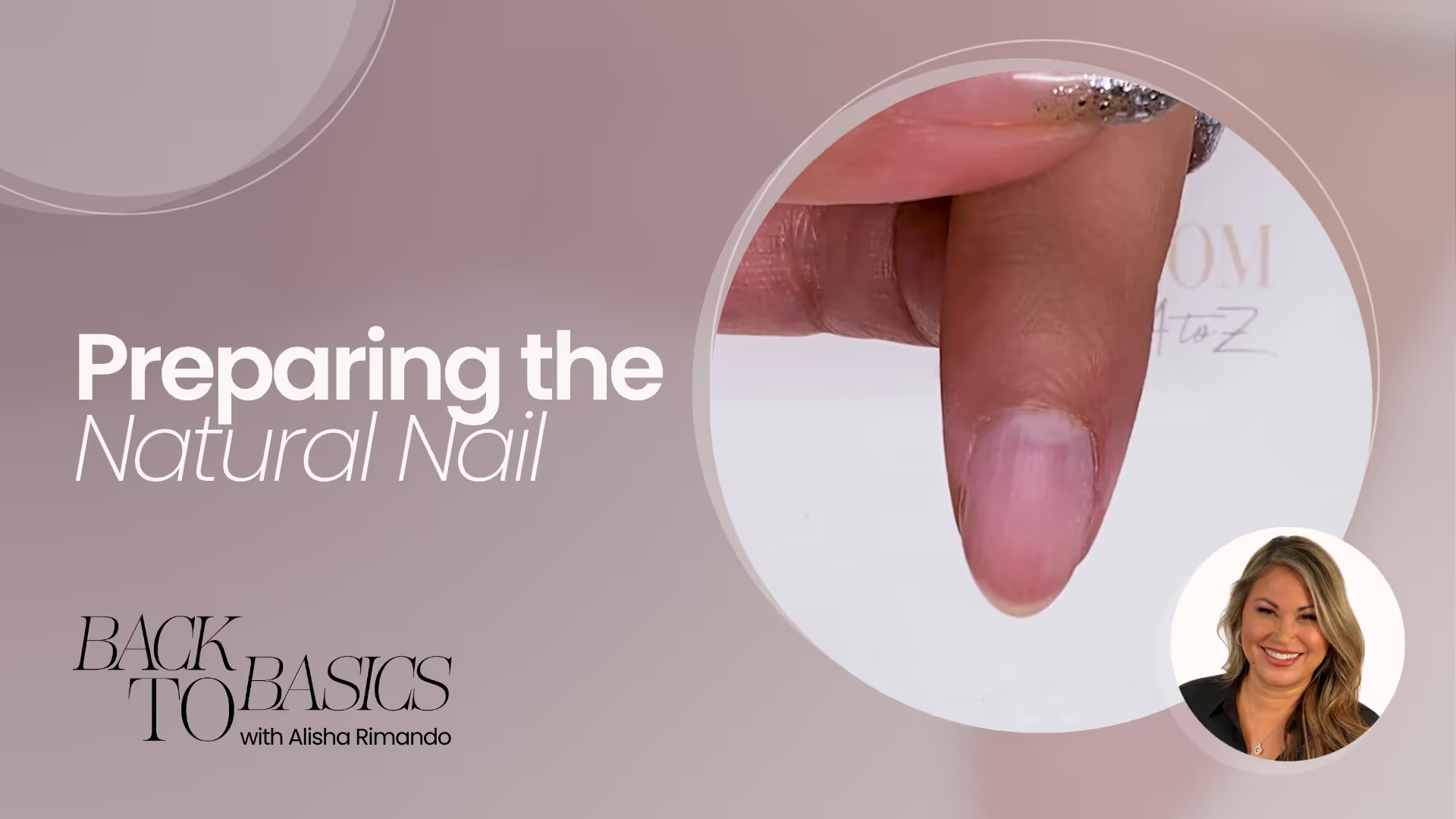
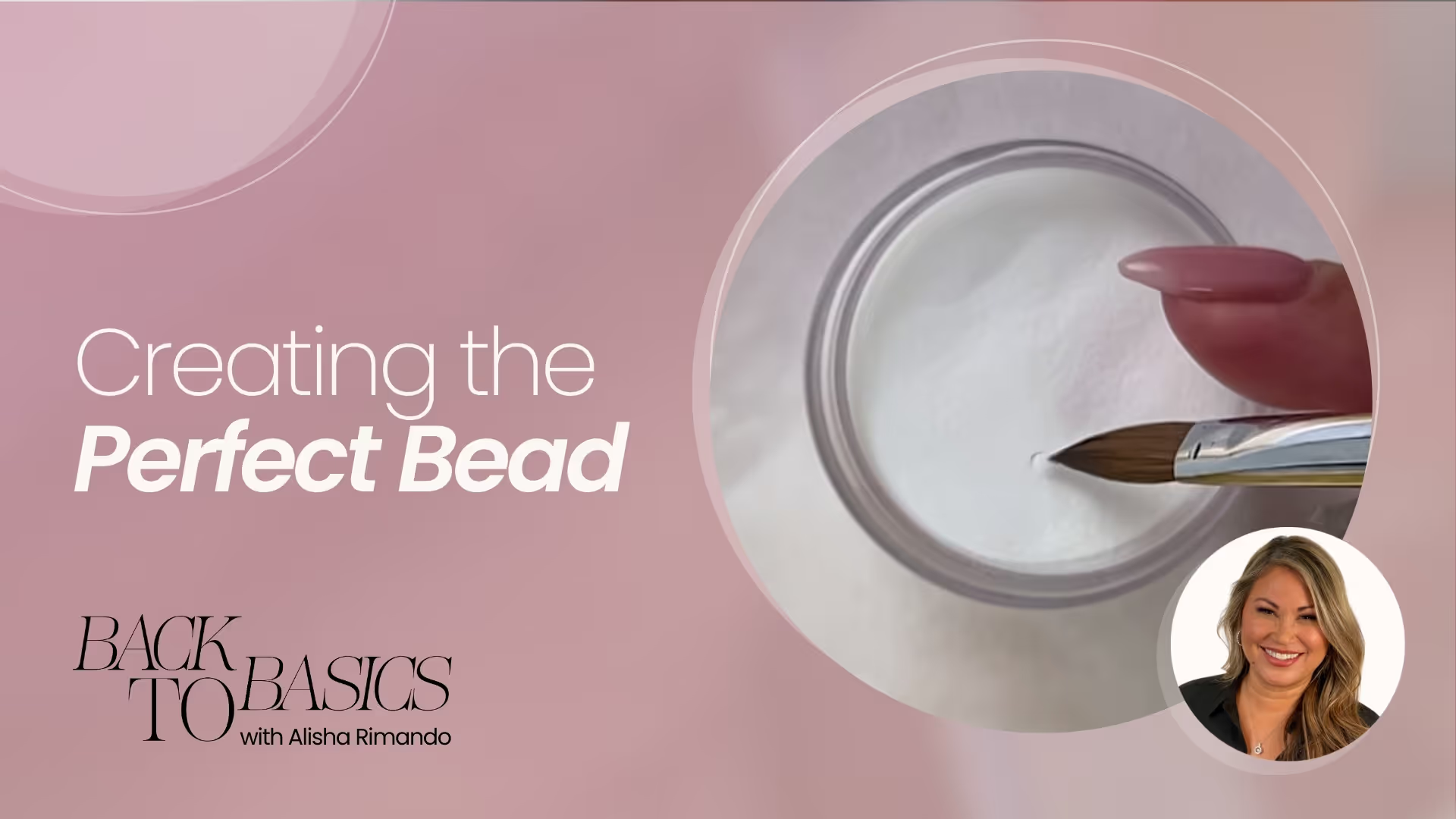
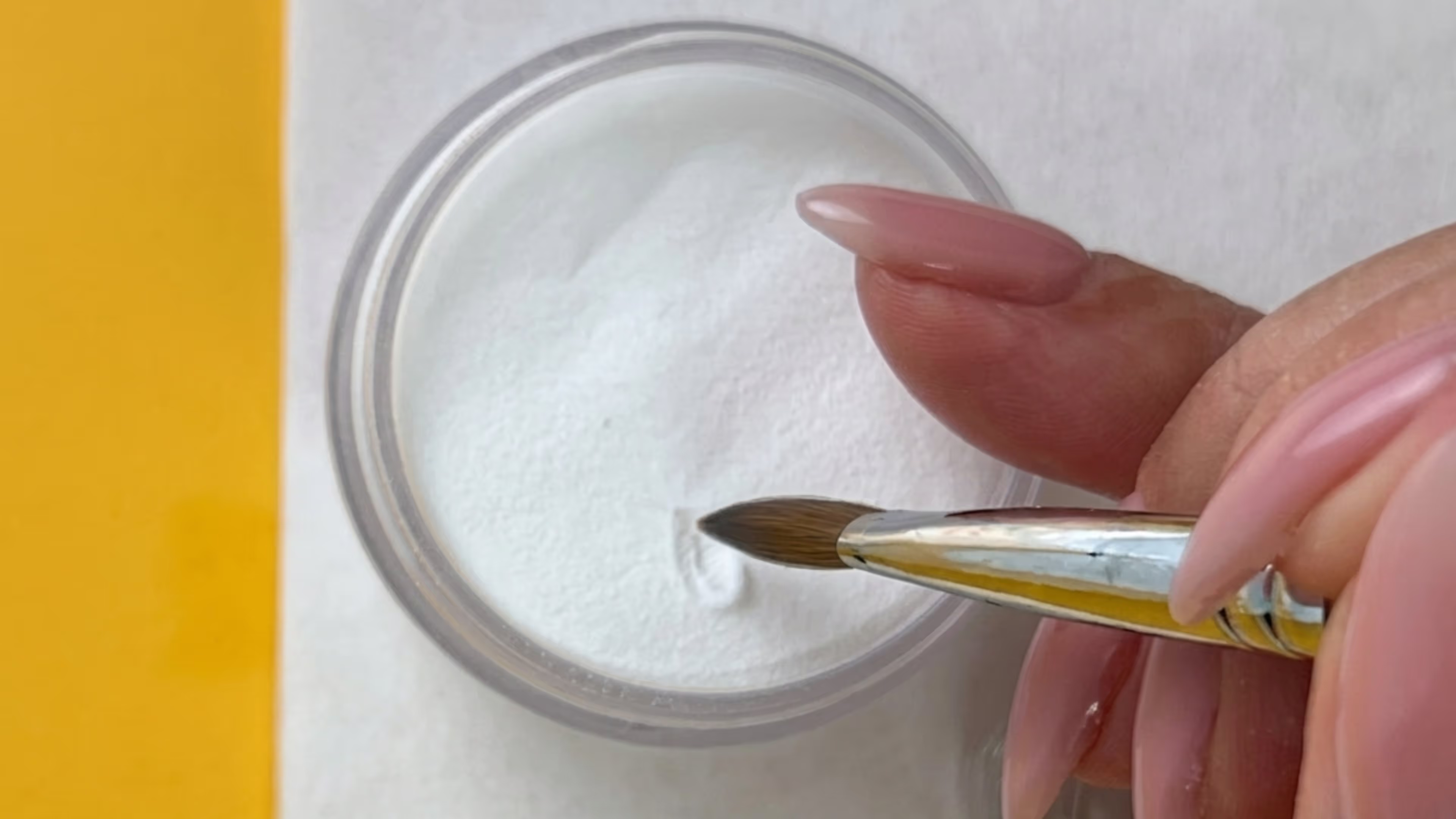
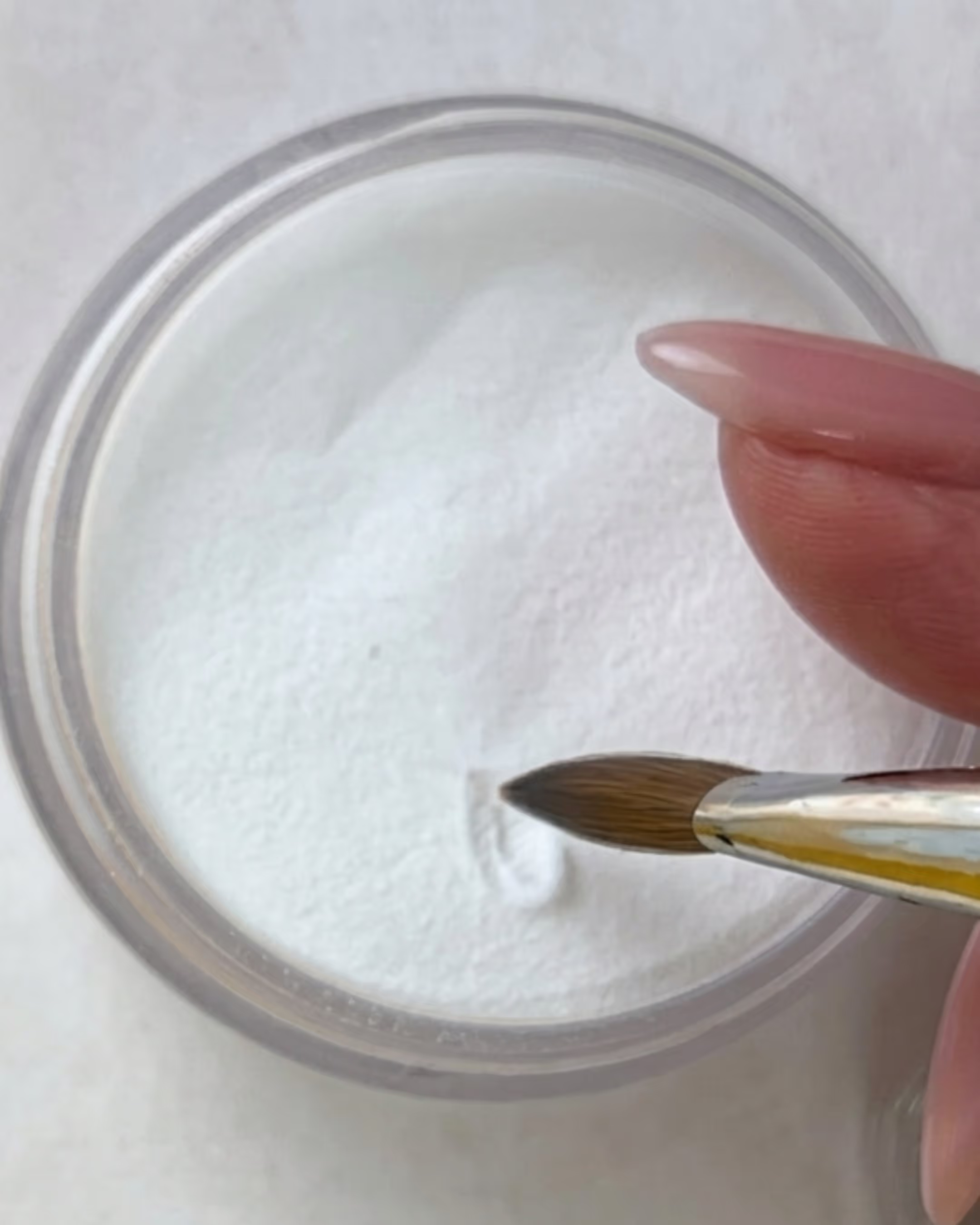
Creating a perfectly controlled acrylic bead is one of the most essential skills every professional nail technician must master. In this episode of Back to Basics, world champion nail artist Alisha Rimando focuses on the foundational technique of achieving the ideal liquid-to-powder ratio to form a smooth, consistent bead. This fundamental skill directly impacts the success of 3D nail art, including sculpted flowers, textured designs, and dimensional detailing.A properly formed bead allows for better control, cleaner placement, and more refined shaping. When the bead is too wet or too dry, it becomes difficult to manage, resulting in uneven surfaces, loss of structure, or bulky application. Understanding how to pick up, place, and manipulate the bead with intention creates the ability to build dimension while maintaining clarity and balance in the design.This technique is especially important when working with 3D elements, where precision and timing are critical. Controlled brush movement helps guide the product into shape, allowing each petal or sculpted detail to form naturally without overworking the material. The result is a more polished, professional finish that enhances both the visual impact and durability of the design.In the salon, mastering bead control leads to greater efficiency, reduced product waste, and improved consistency across services. It also supports better structure, helping to prevent lifting and ensuring long-lasting wear for clients. Whether creating subtle dimension or intricate 3D art, this foundational skill is key to delivering high-level results.This episode reinforces that strong technique begins with control. By focusing on the basics, nail technicians can build confidence, improve precision, and elevate their work from the ground up.
Control liquid-to-powder ratio to consistently create precise acrylic beads that support clean 3D design and refined application.
- Acrylic liquid (monomer)
- Acrylic powder
- Kolinsky acrylic brush
- Dappen dish
- Nail forms or practice surface,
- Client Service
- Competition Prep
- Content Creation
- Acrylic (Liquid & Powder)
- Colored Acrylic (Liquid & Powder)
- 3D
More Series