How to Break In a New Acrylic Nail Brush | Pro Tip



















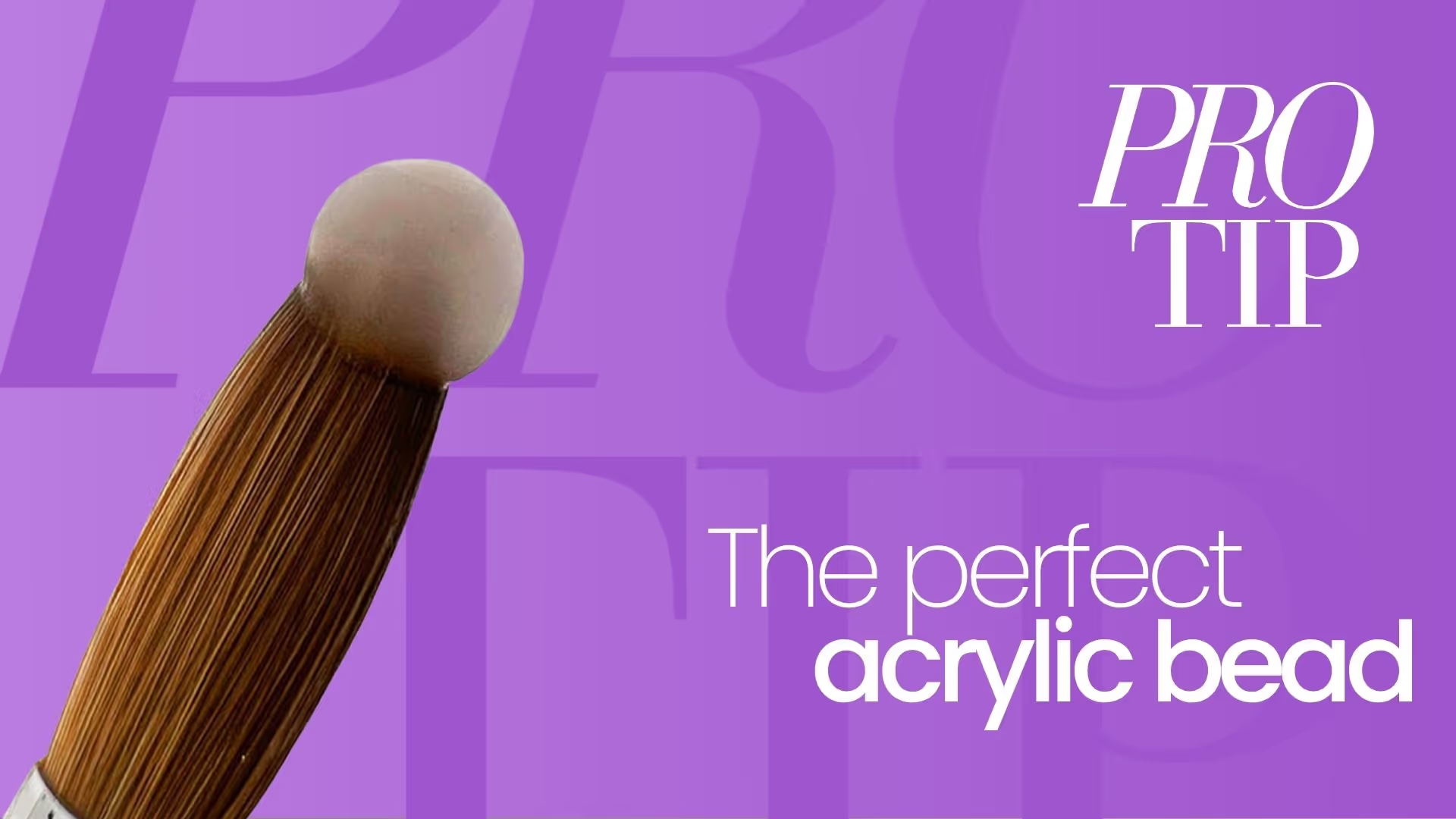



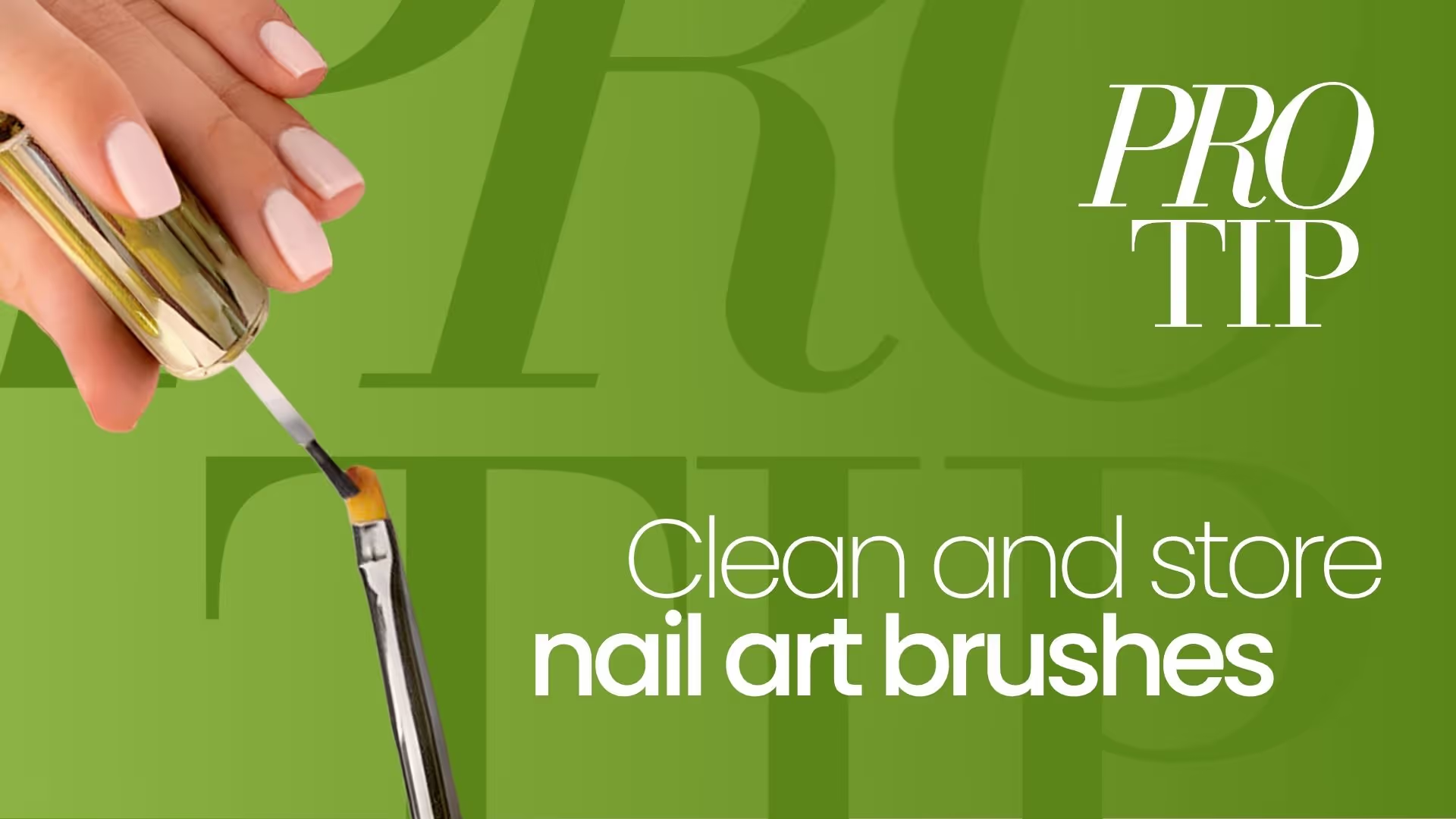



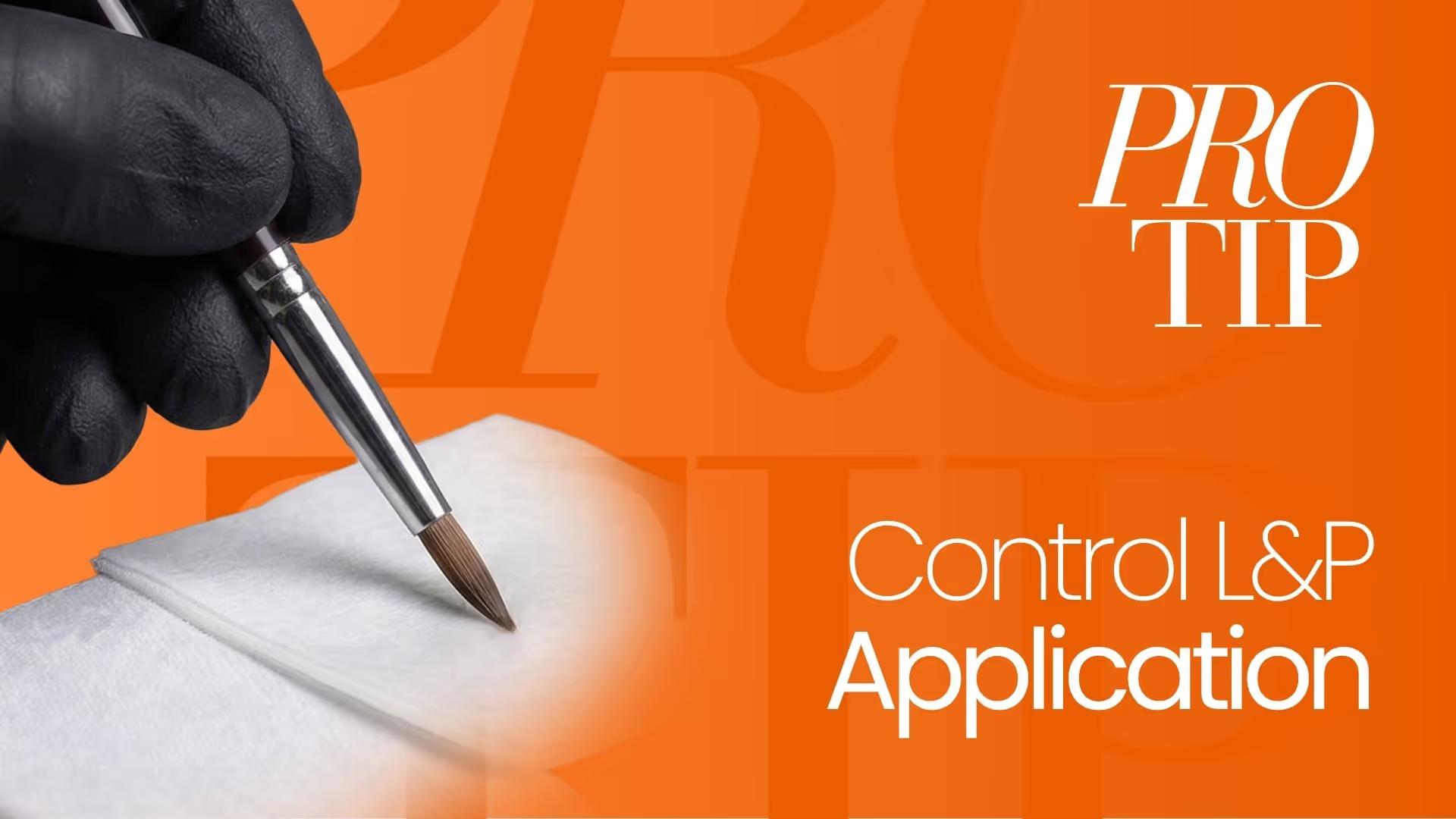
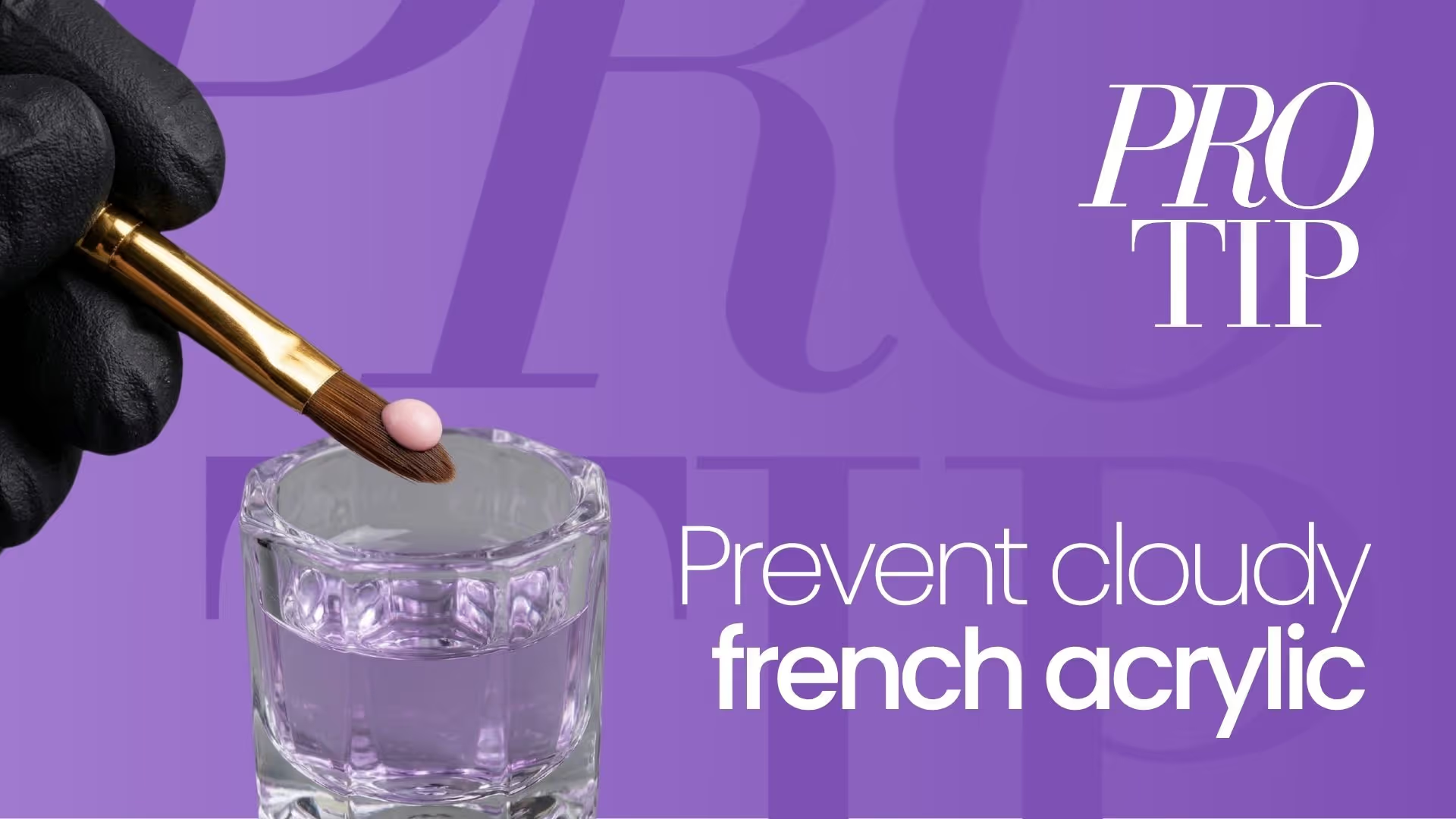
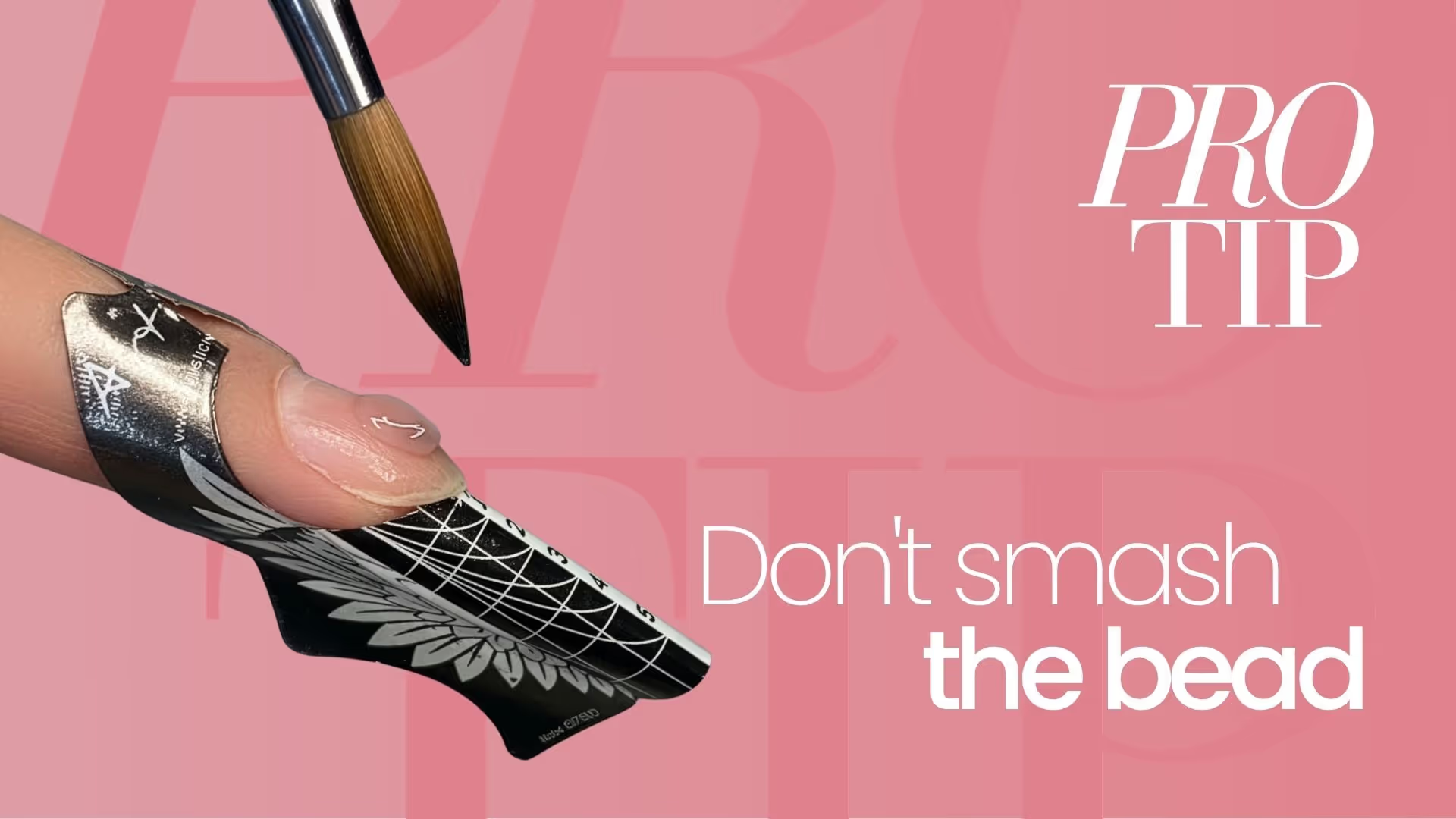


A professional liquid and powder brush is one of the most valuable tools in a nail technician’s kit. High-quality brushes are designed to deliver precision, control, and smooth bead placement, but new brushes require proper preparation before they perform at their best.Many technicians are surprised to find that a brand-new brush does not immediately behave the way they expect. This is because new acrylic brushes are typically manufactured with protective coatings or binding agents that help maintain the shape of the bristles during packaging and shipping. Before the brush can perform correctly, this protective residue must be properly removed.In this Pro Tip episode, Alisha Rimando explains how to break in a new liquid and powder brush so it functions smoothly and maintains its performance over time.Breaking in a brush involves gently preparing the bristles so they become flexible, responsive, and capable of holding the right amount of monomer and product. Proper preparation ensures the brush can pick up acrylic beads evenly and release product smoothly during application.Alisha also explains how correct brush use and storage habits help extend the life of professional brushes. When brushes are cleaned and stored properly, they maintain their shape, protect the natural hair, and continue to perform reliably service after service.Many brush problems technicians experience—such as stiffness, poor bead pickup, or uneven product release—can often be traced back to improper preparation or maintenance.By understanding how to properly break in a new brush and care for it throughout its lifespan, technicians can protect their investment and maintain the level of control needed for consistent acrylic application.Pro Tip episodes are designed to provide fast, practical solutions to common technical challenges. In just a few minutes, Alisha shares key habits that help technicians keep their most important tools working at their best.With proper preparation and care, a professional acrylic brush can remain a reliable part of your toolkit for years.
Learn how to properly break in a new acrylic brush to improve product control, performance, and longevity.
- Teaching / Education
- Product Demo
- Acrylic (Liquid & Powder)
More Series