
What Is Split Complementary Color in Nail Art? | Pro Tip

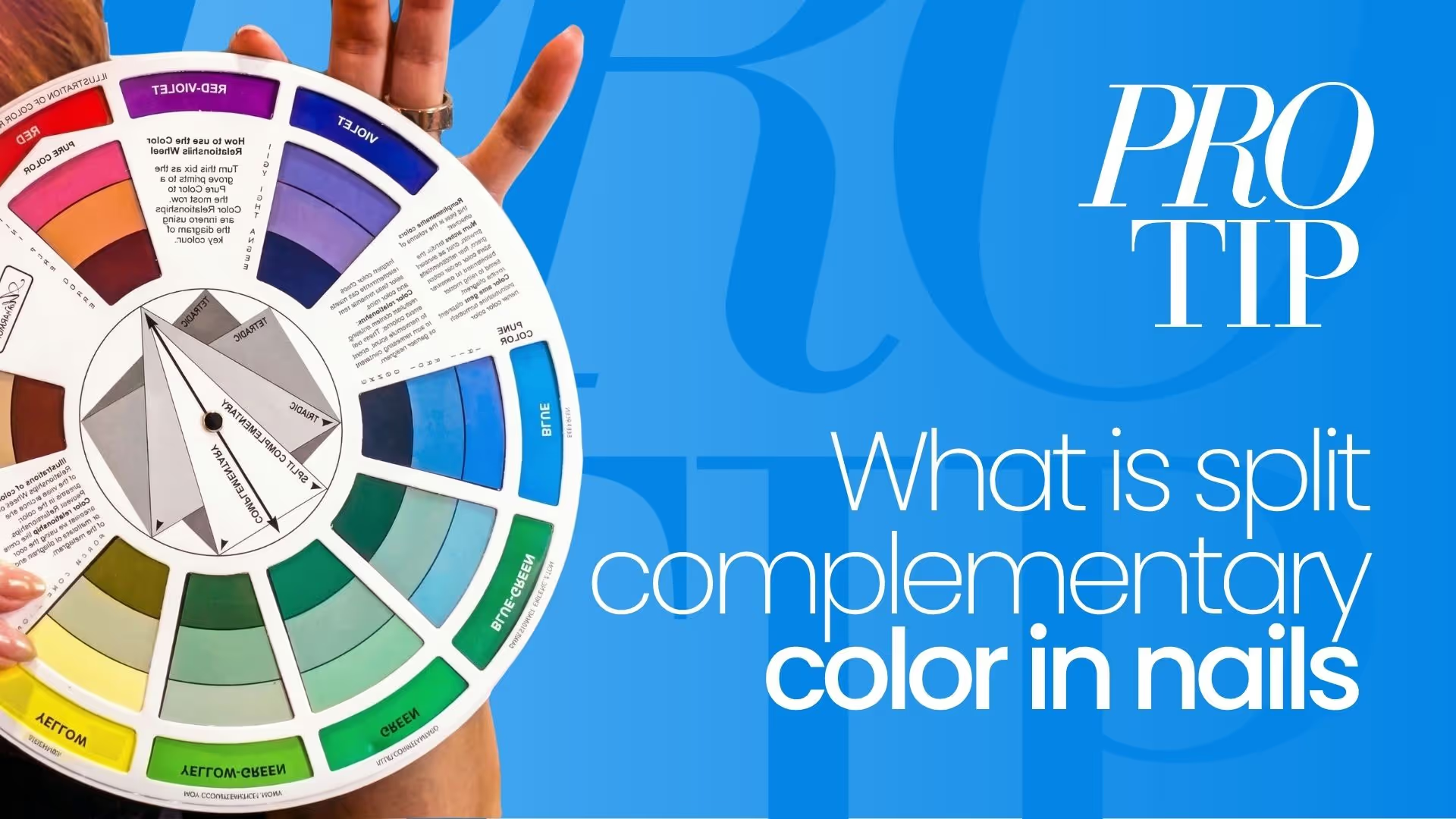


























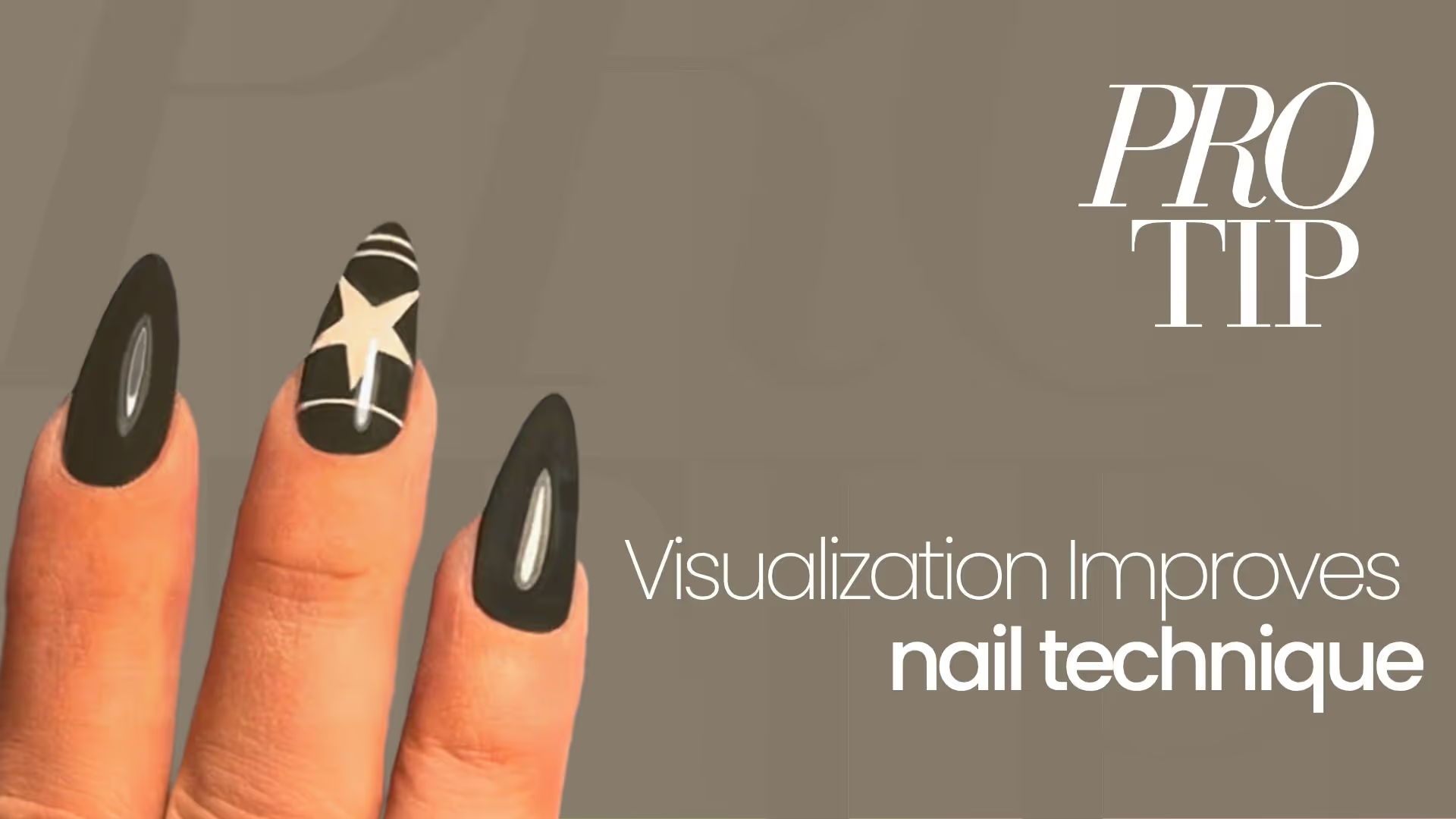




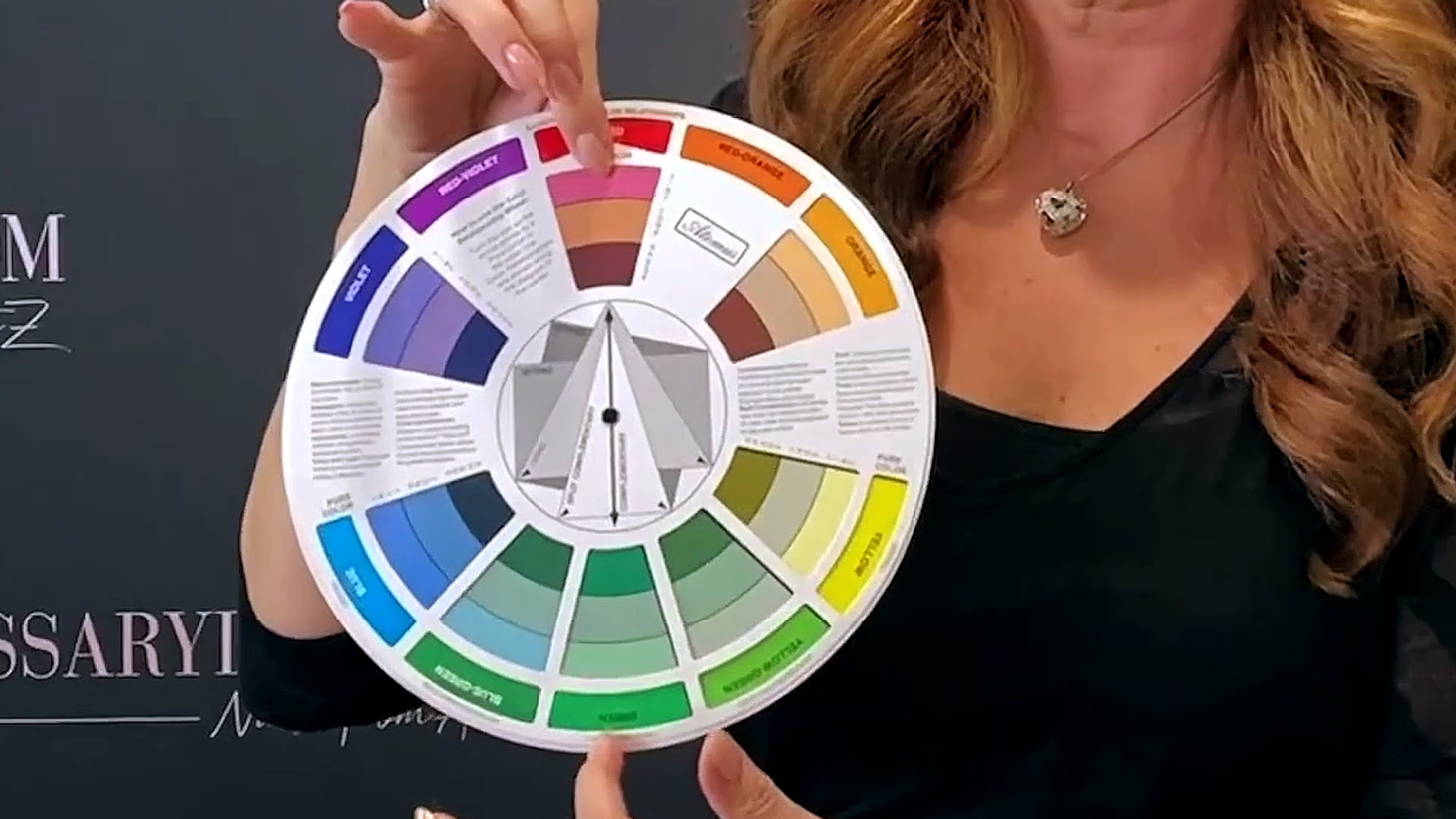
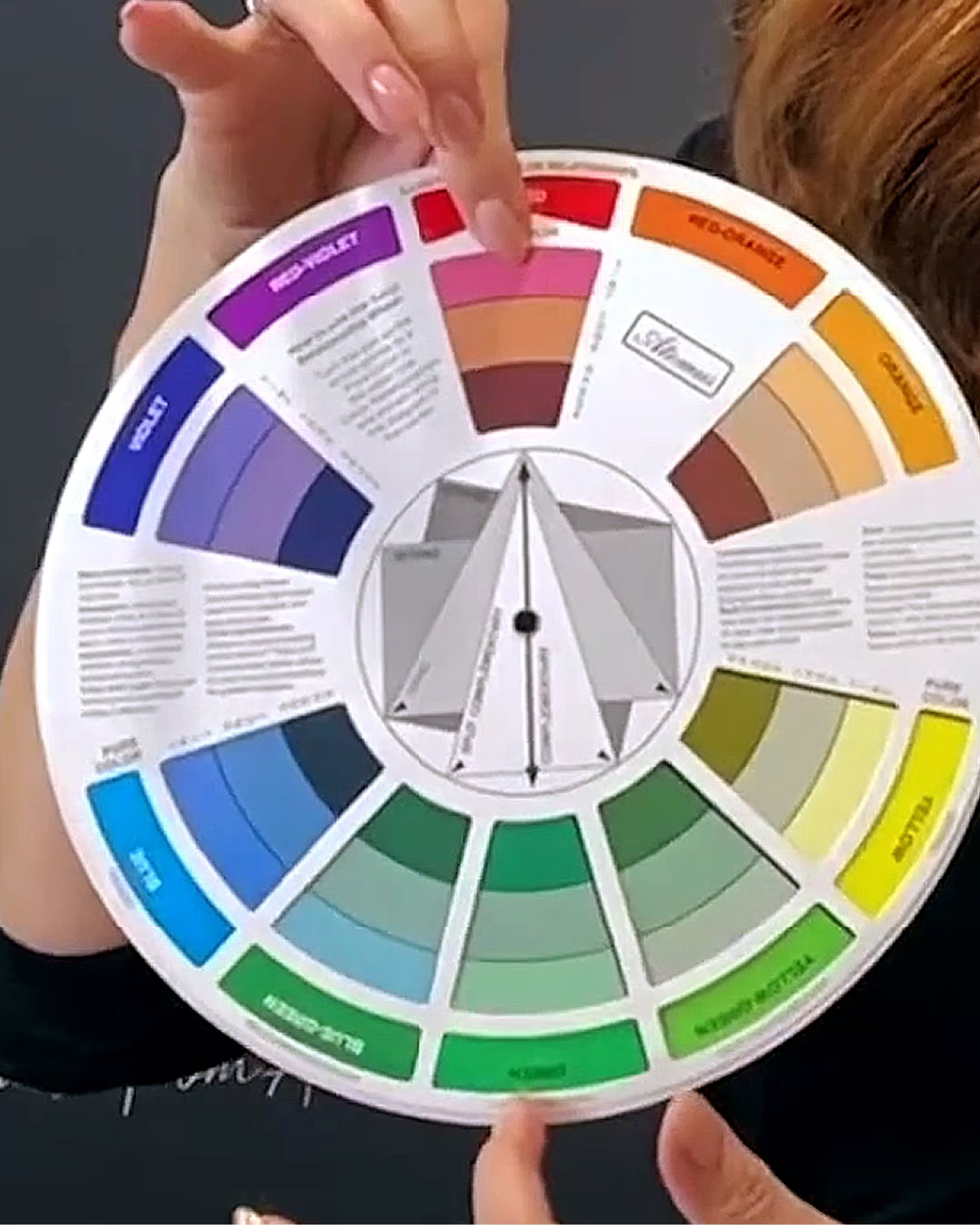
Understanding color theory is an important part of creating visually balanced nail art. While many technicians rely on instinct when choosing colors, learning how color relationships work can dramatically improve design harmony and impact.One of the most useful color theory concepts for nail artists is the split complementary color scheme. This approach builds on the traditional complementary color pairing but introduces a slightly more flexible and visually interesting balance.Instead of using a single color directly opposite on the color wheel, the split complementary method uses one base color along with the two colors that sit on either side of its direct complement. This creates contrast while maintaining a softer and more dynamic visual relationship between the colors.In this Pro Tip episode, nail artist and educator Lisa Boone explains the concept of split complementary color and demonstrates how it can be applied in nail art design. Through clear examples, she shows how this color combination creates contrast while still feeling cohesive and balanced.For nail technicians working with painted designs, gel color, or layered art techniques, understanding color relationships can make design decisions much easier. Instead of guessing which shades work well together, artists can rely on proven color theory principles to guide their choices.Split complementary color schemes are especially useful when artists want to introduce contrast without creating a harsh or overpowering effect. The result is a design that feels vibrant, dynamic, and visually pleasing.Pro Tip episodes focus on fast, practical insights that help technicians improve both technical skills and creative decision-making. In just a few minutes, Lisa breaks down a color theory concept that artists can begin using immediately in their nail designs.For technicians looking to expand their artistic confidence, mastering simple color relationships like split complementary can open the door to more thoughtful, intentional nail art compositions.
Understand how to use split complementary color theory to create balanced, visually dynamic nail art designs.
- Teaching / Education
- Career Development
- Gel Polish
- Gel Paint
- Polish / Lacquer / Enamel
- Acrylic Paint
- Gel Polish
- Airbrush
- Waterbased Inks or Paints
More Series