

Why Ergonomics Matter in Nail Salon Design | Pro Tip

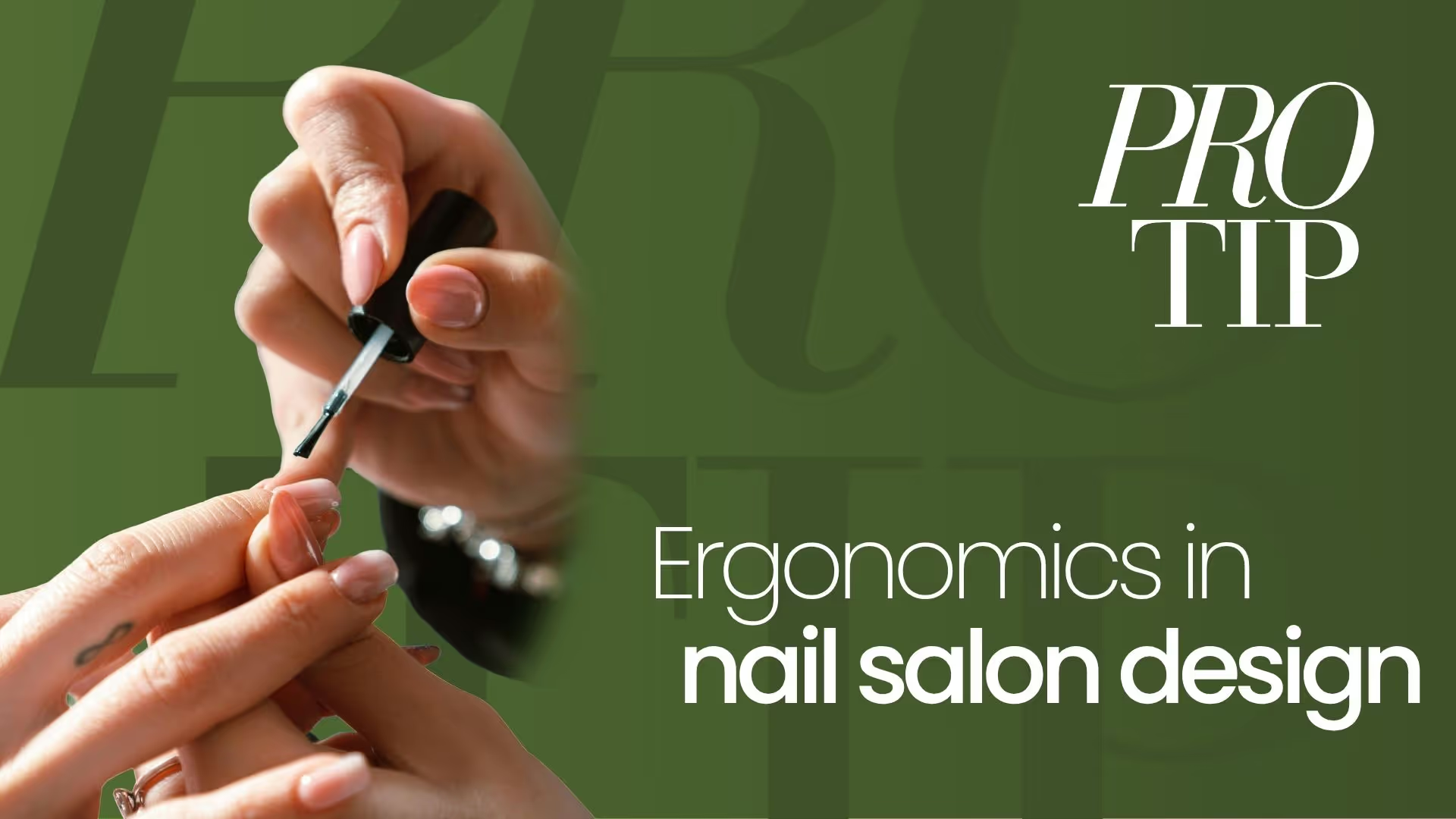

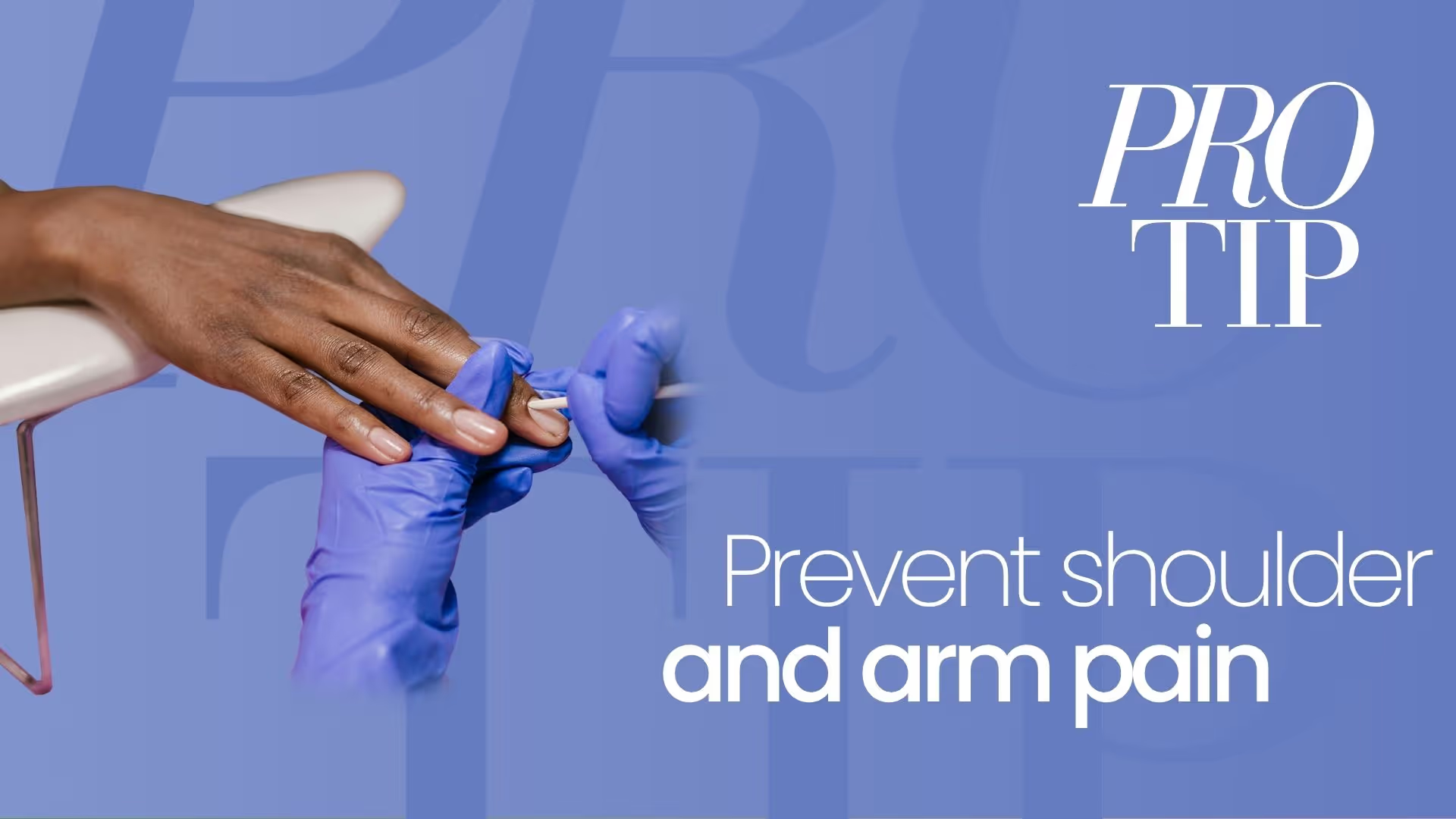





































Designing a nail salon often focuses heavily on aesthetics. Beautiful furniture, stylish décor, and a welcoming environment help create an inviting experience for clients. However, one critical factor is sometimes overlooked during salon planning: ergonomics.For nail technicians who spend long hours performing detailed services, the physical setup of the workspace plays a major role in comfort, efficiency, and long-term health. When salon stations are designed without considering technician ergonomics, it can lead to unnecessary strain on the back, shoulders, neck, and wrists.Many salon owners prioritize client comfort and visual appeal but may not realize that technician comfort is equally important. A workstation that looks beautiful but does not function properly can make everyday services more difficult and physically demanding for the professional performing them.In this Pro Tip episode, salon professional Aletter Lambert shares valuable advice for salon owners and technicians planning their workspace. She explains why important details—such as chair height, task lighting, and technician positioning—should be carefully considered when designing a nail salon environment.Proper chair height ensures that technicians can work comfortably without constantly bending or reaching. Adequate task lighting allows technicians to see their work clearly, improving both precision and efficiency. Comfortable seating and workstation layout help reduce fatigue during long days behind the table.Balancing aesthetics with functionality creates a workspace that supports both the client experience and the technician’s ability to perform high-quality services.Pro Tip episodes focus on quick, practical insights that address real challenges within the nail industry. In just a few minutes, Aletter highlights how thoughtful salon design can make a significant difference in technician comfort and long-term career sustainability.For salon owners and technicians alike, creating a workspace that is both beautiful and functional helps ensure that the salon supports the professionals working within it—not just the clients who visit.
Understand how ergonomic salon design supports posture, reduces strain, and improves long-term performance behind the table.
- Client Service
- Teaching / Education
- Career Development
More Series