
How to Control Liquid & Powder Application for Better Acrylic Nails | Pro Tip

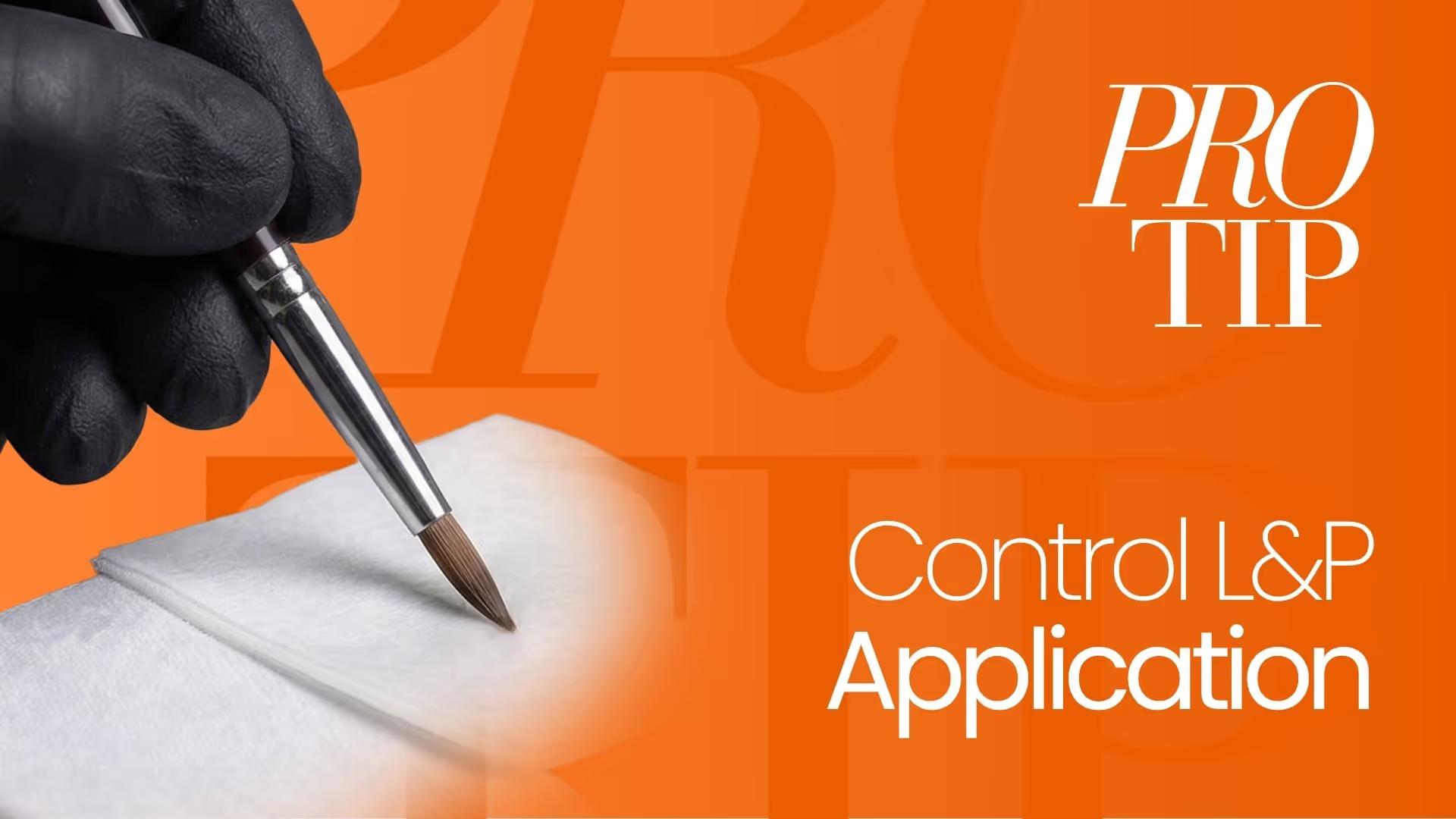




























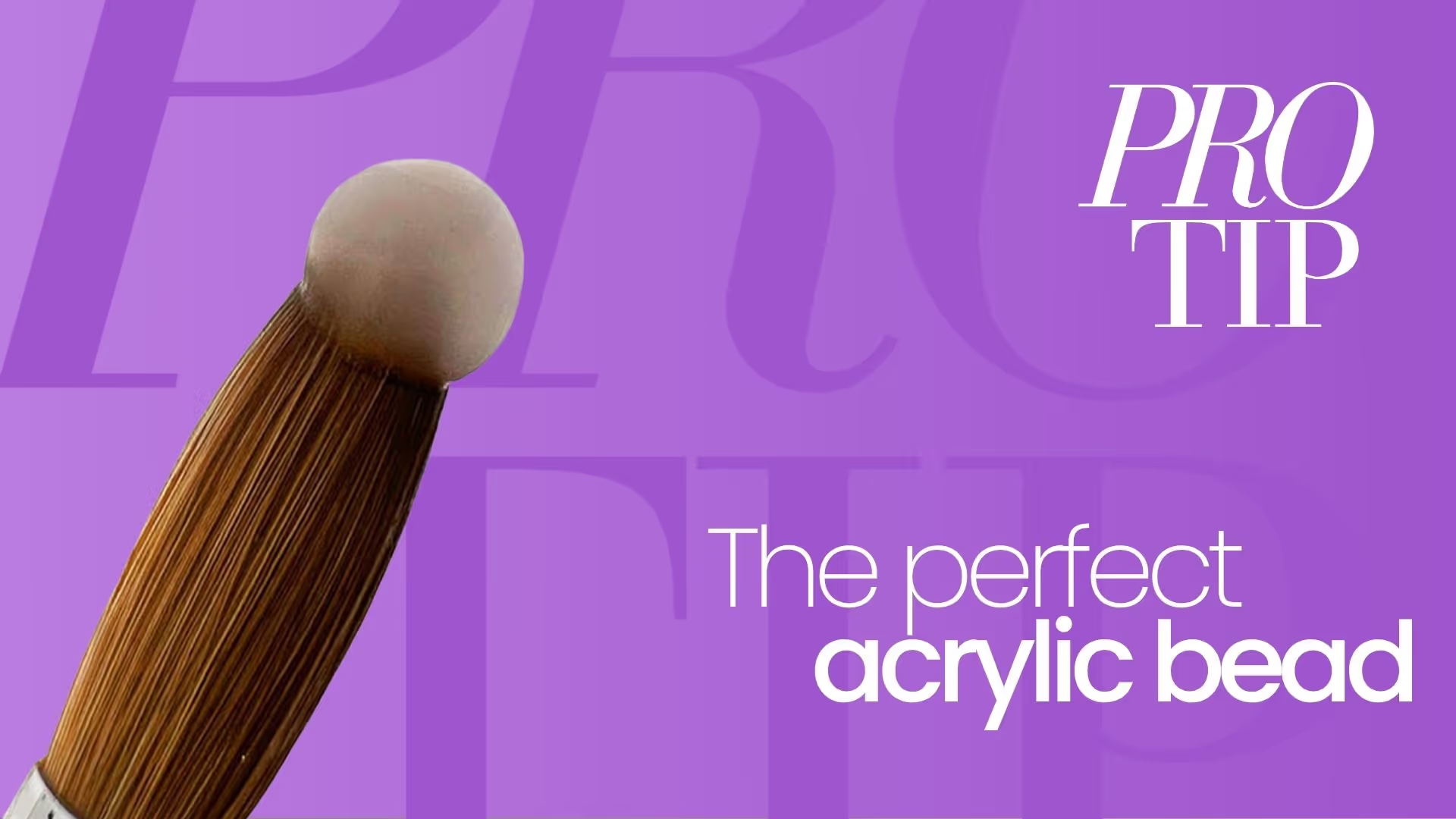










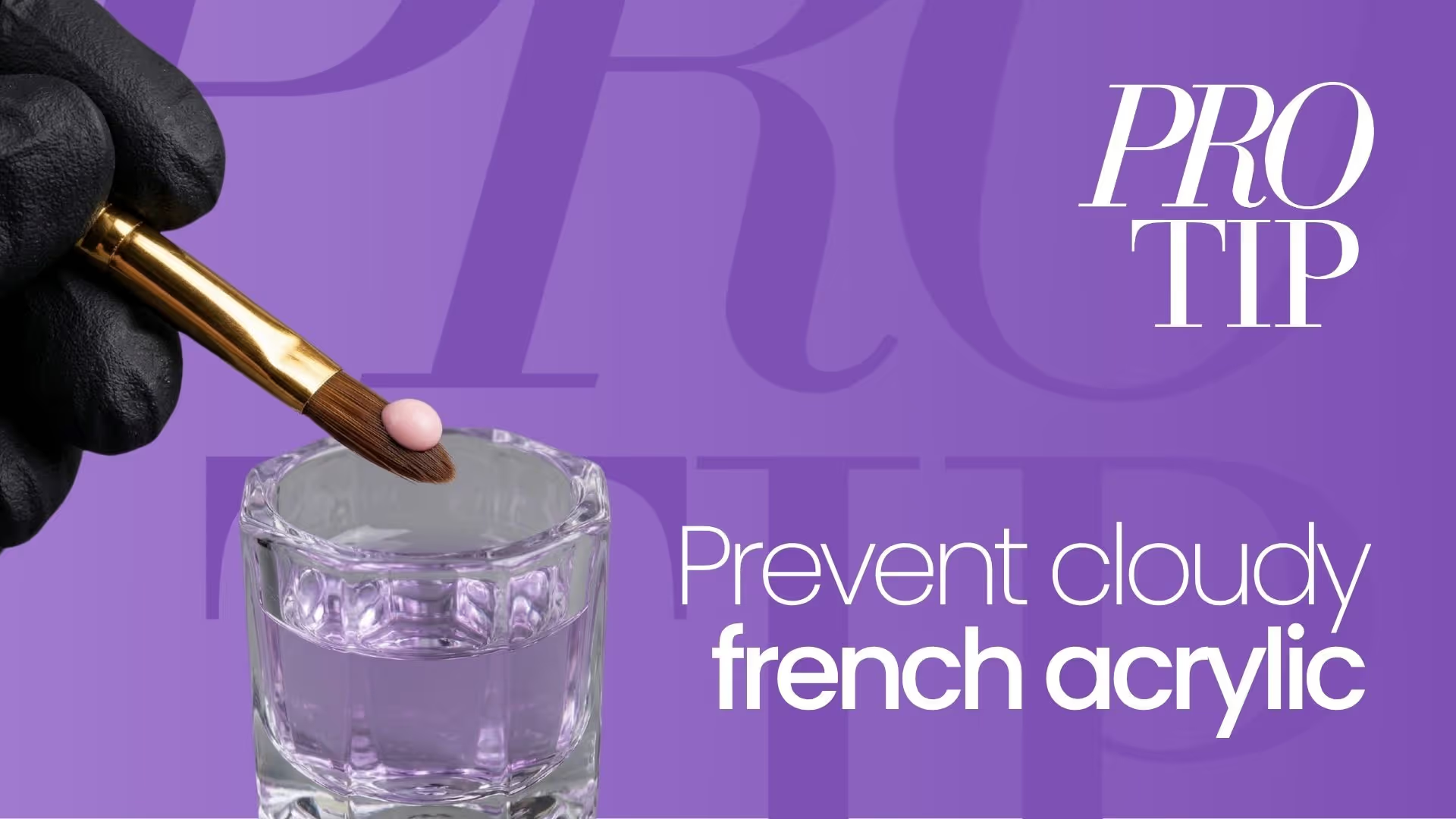
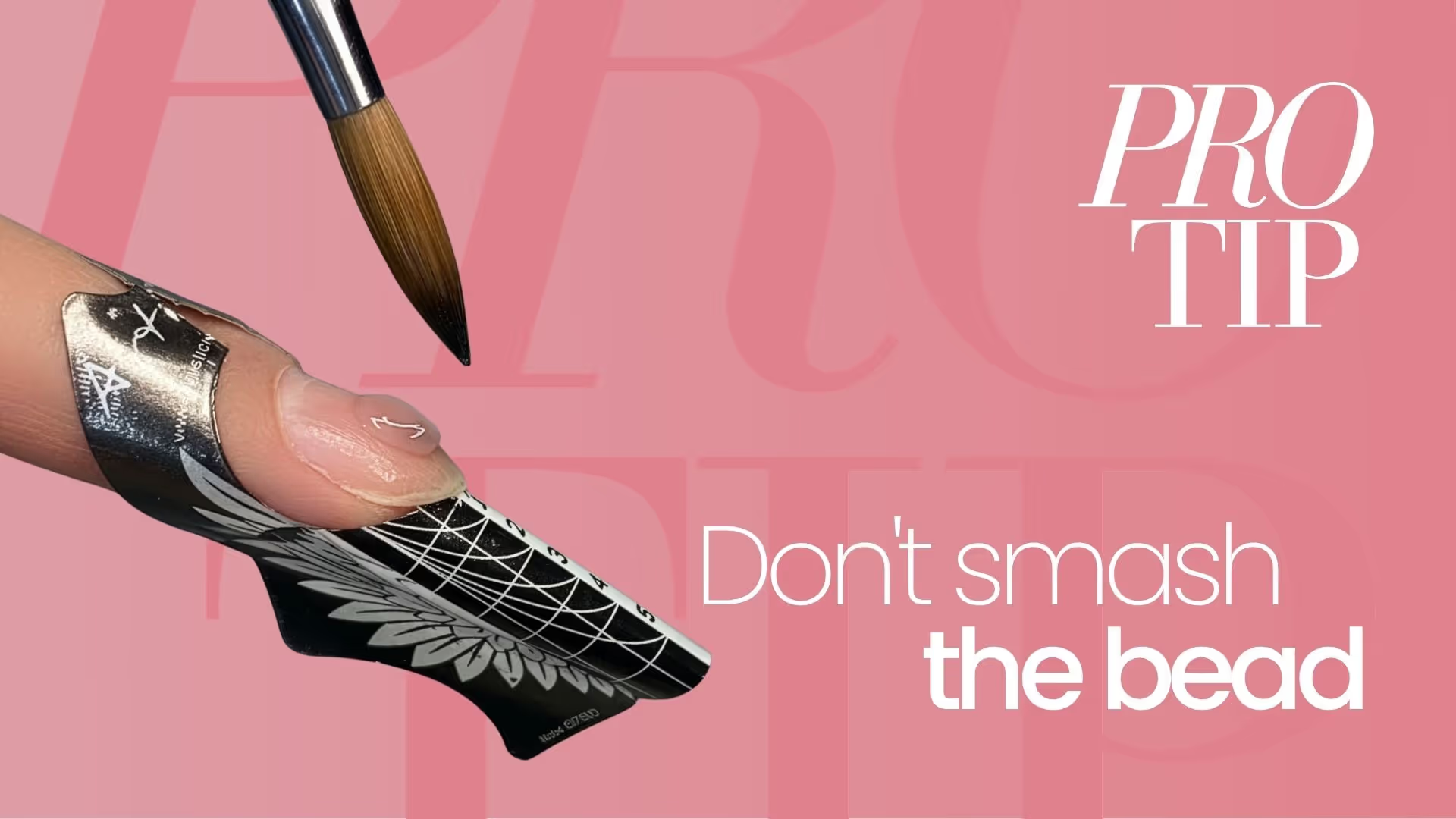



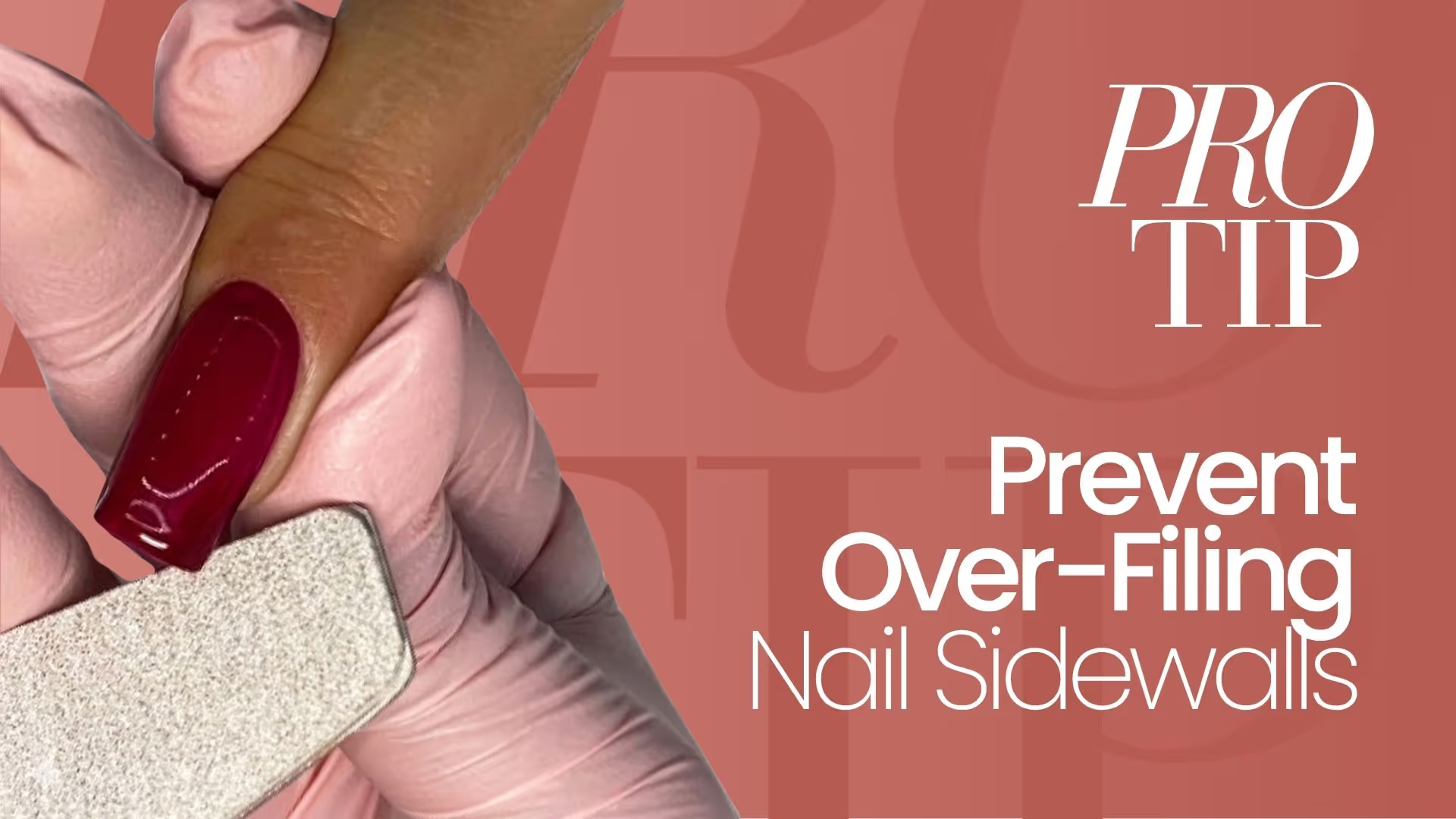


Working with liquid and powder acrylic requires more than simply placing product on the nail. Successful acrylic application relies on timing, control, and the ability to work in harmony with the product as it begins to set. When technicians struggle to manage the pace of application, the product can begin to control the service rather than support it.Many technicians experience challenges such as product moving too quickly, beads becoming difficult to control, or acrylic setting before the nail has been fully refined. These issues often lead to uneven structure, extra filing, or unnecessary stress during the service.In this Pro Tip episode, experienced nail professional David Fowler explains an important concept that helps technicians maintain control of their liquid and powder application: rhythm.Liquid and powder systems are designed to polymerize at a predictable rate. When technicians develop a steady rhythm while working—picking up beads, placing product, and guiding it into shape—they begin to work with the chemistry of the product instead of fighting against it.Maintaining this rhythm helps technicians place beads more confidently, control product movement more effectively, and build structure with greater consistency. When the workflow becomes smooth and predictable, acrylic application becomes easier to manage and more efficient overall.Understanding how to work with the natural setting pace of liquid and powder can significantly improve bead control, reduce overworking the product, and produce cleaner final results.Pro Tip episodes are designed to provide quick, professional insight into real challenges technicians encounter during services. In just a few minutes, David shares a simple but powerful perspective that can help technicians regain control of their acrylic applications.When technicians develop a consistent working rhythm, liquid and powder becomes easier to manage, allowing them to focus on building strong, balanced nail structures with confidence.Sometimes the key to better acrylic work is not changing the product, but learning how to move with it.
Develop control over liquid-to-powder ratio and application technique to achieve consistent, balanced acrylic enhancements.
- Client Service
- Competition Prep
- Teaching / Education
- Acrylic (Liquid & Powder)
More Series