How to Clean and Store Nail Art Brushes Properly | Pro Tip

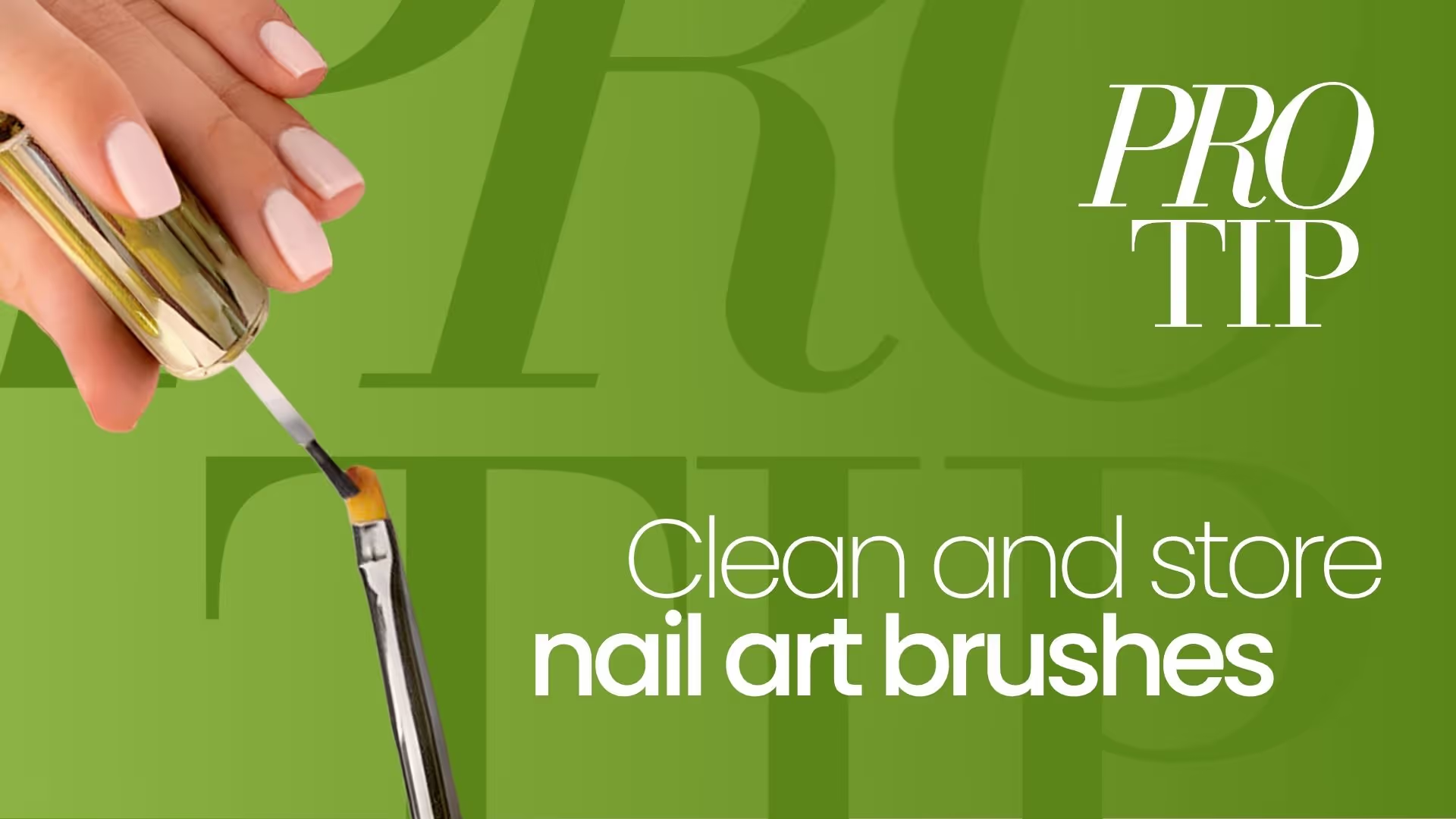



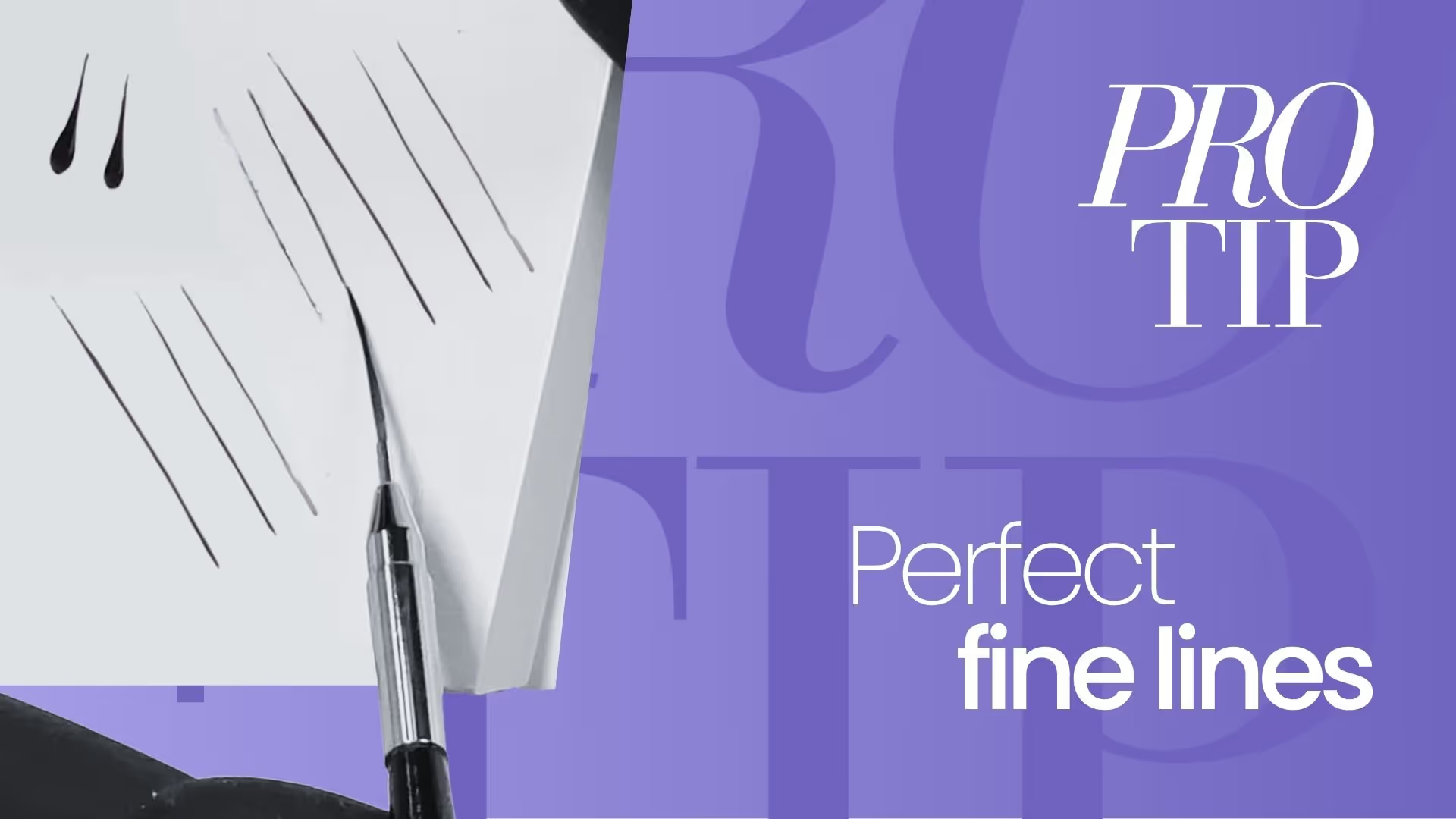











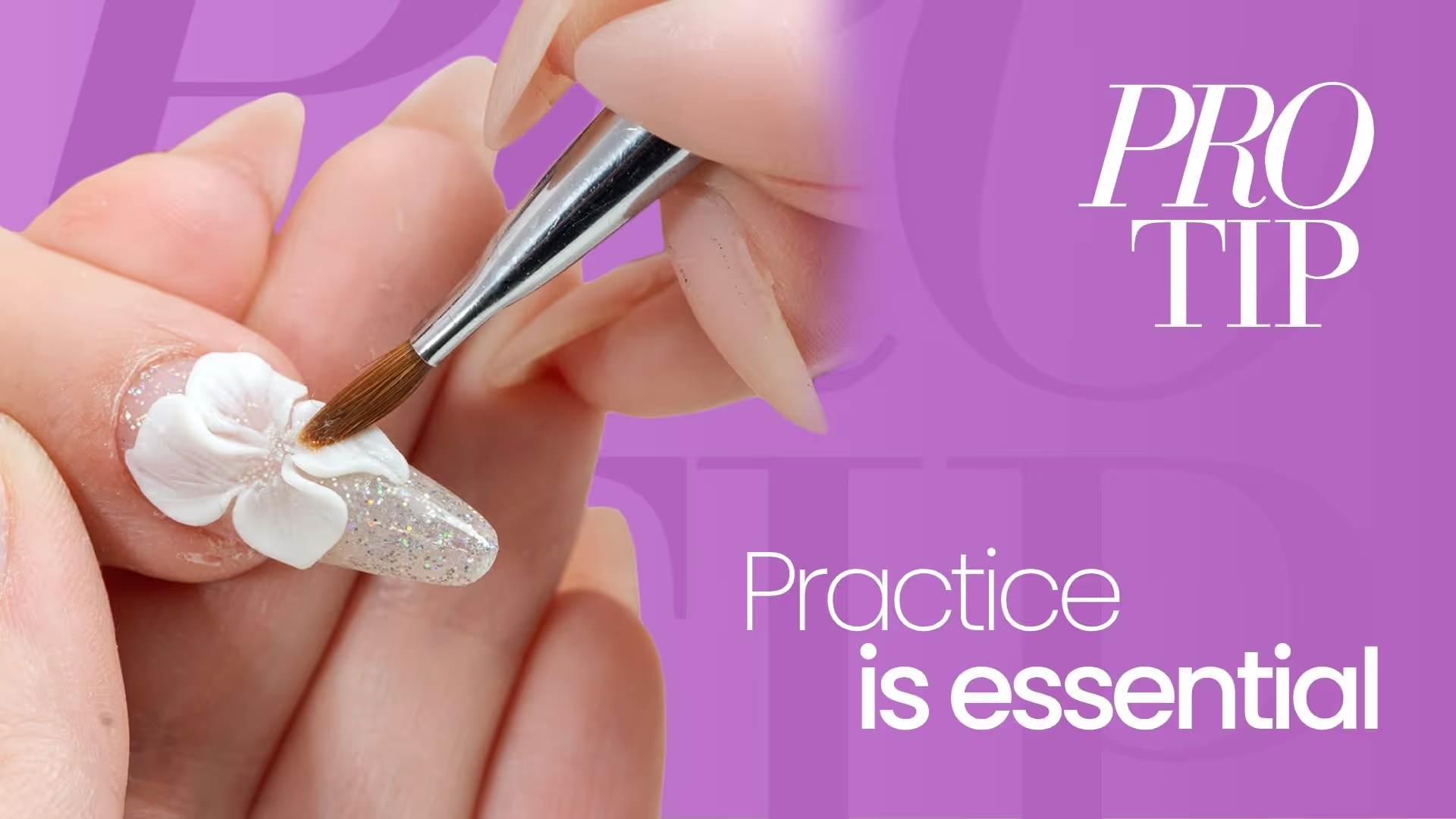














Professional nail art brushes are one of the most valuable tools in a nail technician’s kit. High-quality brushes allow artists to create detailed designs, smooth lines, and intricate artwork with precision and control. Because these brushes are often made with delicate natural hairs and specialized shapes, they require proper care to maintain their performance.Unfortunately, many brushes become damaged long before their expected lifespan simply because they are not cleaned or stored correctly. Leaving brushes on the nail desk with gel, paint, or product residue still in the bristles can cause the hairs to stiffen, lose their shape, or become permanently damaged.When product cures or dries inside the brush, it can spread the bristles apart and make the brush difficult to control. Over time, this buildup can ruin the brush entirely, forcing technicians to replace tools that could have lasted much longer with proper care.In this Pro Tip episode, nail artist and educator Lisa Boone shares simple but important habits that help protect the investment technicians make in their nail art brushes.By cleaning brushes thoroughly after use and storing them properly, technicians can maintain the shape and flexibility of the bristles. Proper storage also prevents accidental damage that can occur when brushes are left exposed on the workstation.These small maintenance habits help ensure that brushes remain responsive, precise, and ready for detailed work whenever they are needed.Pro Tip episodes focus on quick, professional insights that help technicians improve both technique and tool care. In just a few minutes, Lisa demonstrates how proper cleaning and storage practices can dramatically extend the life of nail art brushes.For technicians who rely on detailed nail art in their services, protecting and maintaining quality brushes ensures consistent performance and helps safeguard one of the most important investments in their toolkit.
Understand how to properly clean and store nail art brushes to maintain performance and extend their lifespan.
- Teaching / Education
More Series